

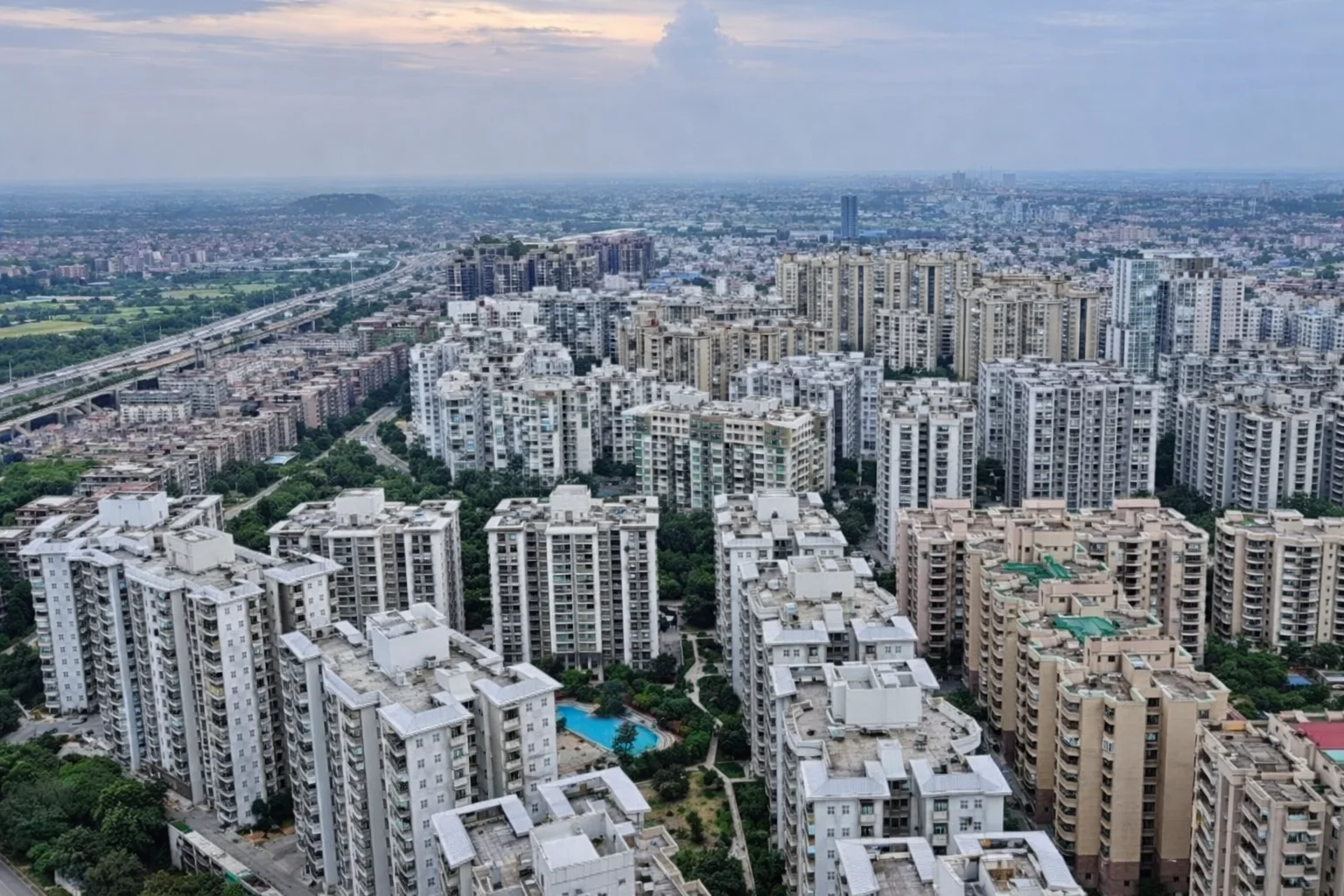
Mumbai remains one of India’s most expensive residential real estate markets. The cost of buying a house in Mumbai varies significantly depending on the locality, connectivity, and infrastructure available in different parts of the city. Recent market data shows a wide variation in property prices across multiple neighborhoods, highlighting the diverse housing landscape of the financial capital.
Property prices in Mumbai are often measured in terms of price per square foot, which allows potential buyers and investors to compare costs across different areas. Premium neighborhoods such as Malabar Hill and Worli command some of the highest rates in the city, while areas such as Dharavi and Kurla offer relatively lower entry points into the market.
Premium Localities Continue to Lead the Market
Among the most expensive residential areas in Mumbai is Malabar Hill, where property prices reach around ₹1,17,725 per square foot. Known for its prime location, sea views, and proximity to South Mumbai’s business districts, Malabar Hill has historically been a preferred address for high-net-worth individuals.
Worli also ranks among the top residential markets with property prices averaging approximately ₹1,02,169 per square foot. The area has witnessed significant development over the years, including luxury residential towers and improved connectivity through infrastructure projects such as the Bandra-Worli Sea Link.
Bandra West is another high-value residential zone with prices around ₹88,422 per square foot. Often considered a premium suburb, Bandra West attracts buyers due to its blend of commercial activity, lifestyle infrastructure, and proximity to major employment hubs.
Similarly, Juhu and Marine Lines remain prominent residential markets. Juhu records an average price of about ₹83,238 per square foot, while Marine Lines stands at approximately ₹85,031 per square foot. Both locations benefit from their coastal proximity and established urban infrastructure.
Mid-Range Residential Markets in Mumbai
Several localities fall into the mid-range segment of Mumbai’s real estate market. These areas typically offer a balance between affordability, connectivity, and residential demand.
Lower Parel, which has transformed from an industrial hub into a modern commercial and residential district, records property prices of around ₹66,251 per square foot. The presence of corporate offices, retail malls, and luxury residential developments has contributed to its steady price growth.
Khar, another popular residential suburb, reports average prices of about ₹51,697 per square foot. Its proximity to Bandra and well-developed social infrastructure make it a preferred location for many homebuyers.
In Bandra East, property prices are slightly lower compared to its western counterpart, averaging around ₹45,601 per square foot. The area benefits from improved connectivity and proximity to commercial hubs such as the Bandra-Kurla Complex (BKC).
Colaba, located in South Mumbai, shows property rates around ₹46,444 per square foot. While historically known for heritage buildings and commercial activity, Colaba continues to maintain steady residential demand.
Mumbai Property Prices by Locality (Price per Square Foot)
| Price Range (₹ per sq ft) | Areas |
|---|---|
| ₹15,000 – ₹25,000 | Dharavi, Kurla |
| ₹25,000 – ₹30,000 | Borivali West, Borivali East, Goregaon West, Andheri East |
| ₹30,000 – ₹40,000 | Powai, Goregaon East, Dadar, Wadala |
| ₹40,000 – ₹60,000 | Andheri West, Khar, Bandra East, Colaba |
| ₹60,000 – ₹90,000 | Lower Parel, Juhu, Marine Lines, Bandra West |
| ₹90,000 – ₹1,20,000 | Worli, Malabar Hill |
Emerging and Affordable Housing Segments
Other localities in Mumbai offer relatively more affordable residential options when compared to the premium neighborhoods.
Andheri West records property prices around ₹41,733 per square foot, while Andheri East averages approximately ₹26,059 per square foot. These areas have seen significant demand due to their connectivity to the airport, metro networks, and major business districts.
Similarly, Goregaon West shows prices around ₹26,706 per square foot, while Goregaon East records about ₹37,687 per square foot. The region has experienced rapid residential development, supported by improved infrastructure and the presence of technology parks and commercial spaces.
Borivali, located in the northern part of the city, offers relatively moderate property prices with Borivali West at around ₹25,443 per square foot and Borivali East at ₹25,570 per square foot. These locations attract homebuyers looking for suburban housing options with rail connectivity and growing social infrastructure.
Powai, another prominent residential destination, records prices of approximately ₹35,643 per square foot. The area is known for planned developments, educational institutions, and proximity to technology parks.
Lower Price Points in Select Areas
Certain parts of Mumbai still provide lower entry points for property buyers. Kurla records average property prices of around ₹18,715 per square foot, making it one of the more affordable locations in the city.
Dharavi, currently undergoing redevelopment initiatives, records property prices of approximately ₹17,000 per square foot. Large-scale redevelopment plans may influence future property values in the region.
Wadala also presents moderate pricing, with property rates around ₹39,046 per square foot. The locality has seen infrastructure improvements and increased residential interest over the past few years.
Factors Influencing Property Prices in Mumbai
Several factors influence the cost of buying a house in Mumbai. Location remains one of the most significant determinants, particularly proximity to business districts, transport hubs, and coastal areas.
Infrastructure developments such as metro rail projects, new road networks, and improved connectivity have also played a major role in shaping property prices across the city. Areas with access to modern infrastructure and commercial activity often experience higher demand and price appreciation.
Additionally, availability of social infrastructure such as schools, hospitals, shopping centers, and recreational spaces contributes to the desirability of residential locations.
Mumbai’s Real Estate Market Outlook
Mumbai’s real estate market continues to evolve as infrastructure expansion, redevelopment projects, and new residential developments reshape the city’s housing landscape. Price differences across neighborhoods reflect the diversity of housing options available to buyers.
While premium localities maintain high property valuations, emerging suburbs and redevelopment zones continue to provide new opportunities for both homebuyers and investors.
Understanding price trends across different areas can help potential buyers make informed decisions when evaluating property options in Mumbai’s competitive real estate market.
Also Read: How RERA Protects Homebuyers When a Builder Delays Delivery or Changes Flat Plans


