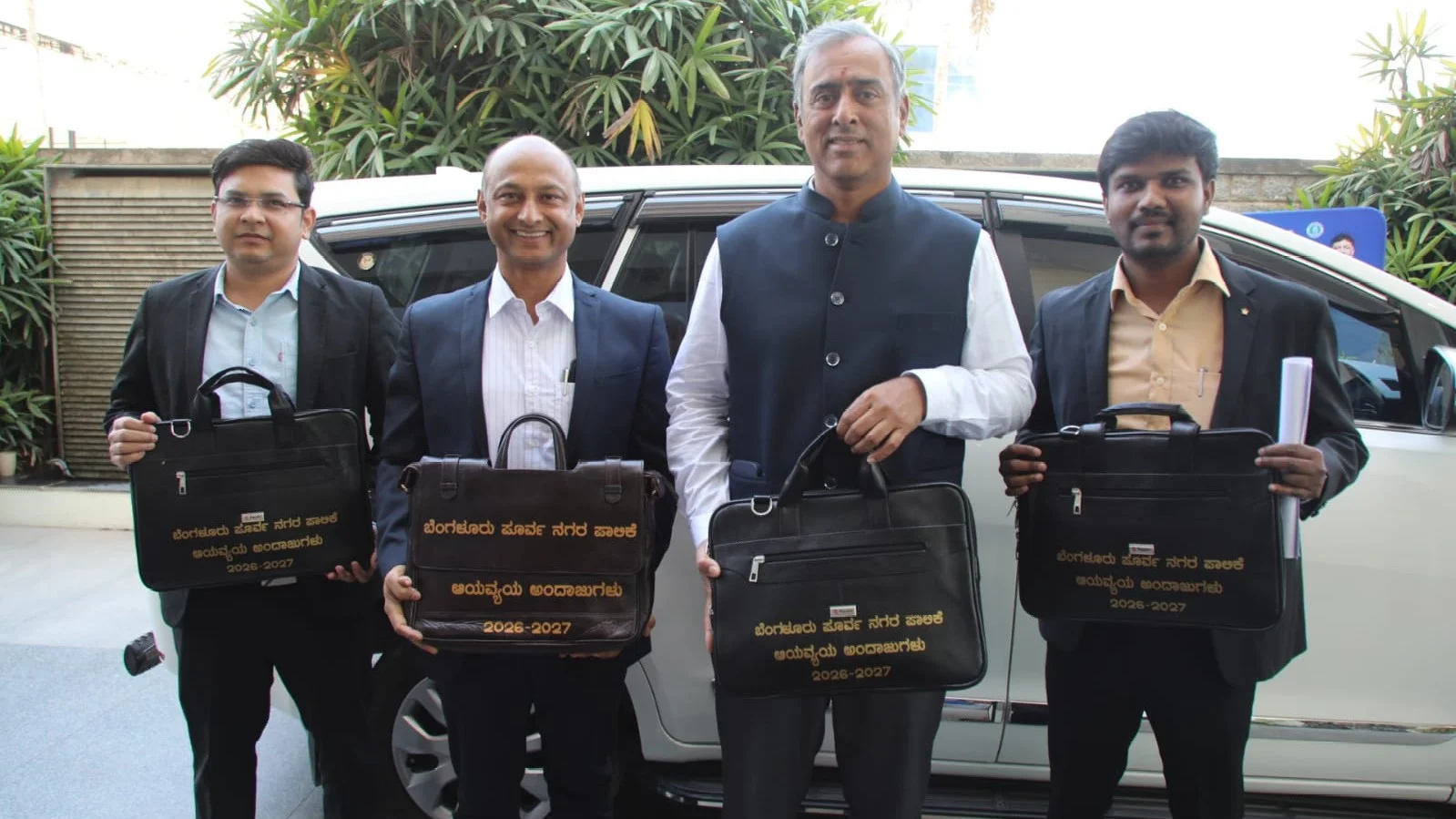
Bengaluru, India: Bengaluru’s civic authorities have projected approximately ₹2,251 crore in property tax revenue from key zones for the financial year 2026–27, highlighting the continued importance of property tax as a primary source of funding for urban infrastructure and public services. The projections are largely driven by contributions from South and Central Bengaluru, which remain among the city’s most developed and high-value real estate zones.
Revenue Projections and Fiscal Importance
The revenue estimate reflects ongoing fiscal planning efforts, but it also comes at a time when the city has struggled to consistently meet its collection targets. Recent data indicates that Bengaluru has faced gaps between projected and actual property tax collections, raising concerns about the sustainability of civic funding, especially as infrastructure demands continue to grow.
Key Contribution from South and Central Bengaluru
South and Central Bengaluru are expected to account for a significant portion of the projected revenue due to their dense mix of residential and commercial properties, higher property valuations, and relatively better compliance levels. These areas have historically contributed a large share of municipal tax income, supported by established infrastructure and ongoing real estate activity.
Collection Challenges and Structural Gaps
Despite these projections, Bengaluru’s property tax collection system continues to face structural challenges. A considerable number of properties remain either unassessed or under-assessed, while delays in payments and compliance gaps further impact overall revenue realization. In previous financial cycles, the city achieved only a portion of its targeted collections, which has had a direct impact on the execution of planned infrastructure and civic projects.
Reforms and Digitisation Efforts
To address these issues, authorities have introduced a series of reforms aimed at improving compliance and expanding the tax base. The ongoing digitisation of property records through platforms such as e-khata and e-Aasthi is expected to enhance transparency and streamline the tax payment process. Additionally, the use of GIS mapping, GPS-based surveys, and data-driven systems is helping identify unregistered or under-reported properties, enabling more accurate tax assessments.
Enforcement Measures and Compliance Drive
Recent enforcement drives have also uncovered instances of tax evasion across a significant number of properties, prompting stricter recovery measures and increased scrutiny. These actions are part of a broader effort to strengthen revenue collection mechanisms and ensure that more properties are brought under the formal tax system.
Role of Digitisation in Long-Term Revenue Growth
The push toward digitisation is expected to play a key role in improving long-term compliance. By enabling online access to property records and simplifying tax payments, authorities aim to reduce dependency on manual processes and encourage timely payments. The issuance of digital property certificates is also expected to contribute to expanding the tax net.
Impact on Urban Development and Infrastructure
Property tax remains a critical component of Bengaluru’s municipal finance system, directly supporting infrastructure development, waste management, road maintenance, and other essential services. As the city continues to expand, improving the efficiency and consistency of tax collection will be essential to sustaining urban growth and meeting infrastructure demands.
Implications for Property Owners
For property owners, the evolving system indicates a greater emphasis on accurate property assessment, digital compliance, and stricter enforcement for non-payment. Increased transparency and improved systems may also lead to more consistent valuation practices across different zones.
Future Outlook and Next Steps
Looking ahead, civic authorities are expected to continue strengthening enforcement mechanisms, expanding digital infrastructure, and improving assessment accuracy. Aligning infrastructure spending with actual revenue collection will remain a key focus area, especially as Bengaluru navigates the challenges of rapid urbanisation.
Conclusion
Bengaluru’s ₹2,251 crore property tax target for FY 2026–27 reflects both the importance of municipal revenue and the complexities involved in achieving it. While reforms and technological interventions are underway, improving compliance and addressing structural gaps will be crucial for ensuring the city’s long-term financial and infrastructural stability.
Also Read: Sattva Songbird Phase 2 Adds Two New Towers on Budigere Road, Expanding Project Scale