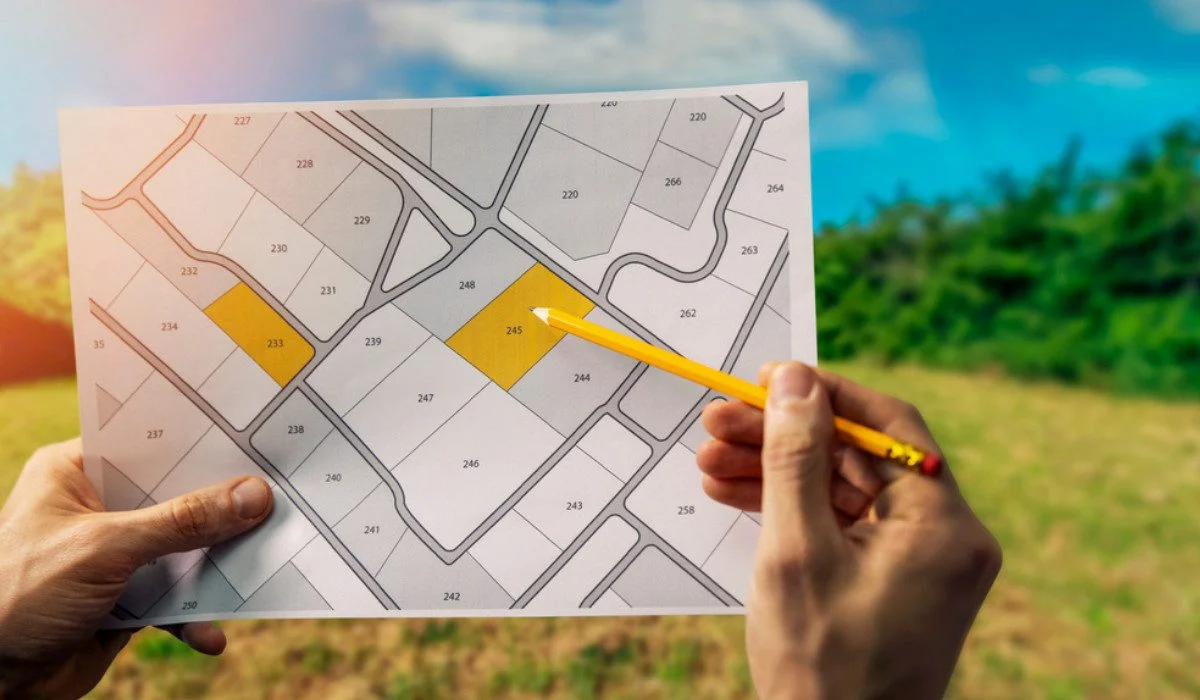
When buying an apartment in India, buyers do not just purchase a flat—they also acquire a share in the land on which the building stands. This ownership is called the Undivided Share (UDS) of land. While buildings depreciate over time, land usually appreciates, making UDS one of the most important yet often overlooked aspects of apartment ownership.
Understanding how UDS works, how it is calculated, and why it affects resale value and redevelopment potential is essential for anyone investing in property, especially in cities where land scarcity continues to rise.
What Is Undivided Share (UDS) of Land?
UDS refers to the fractional ownership of land that an apartment buyer holds in the total land parcel on which a residential project is built.
Since many apartments are constructed on a single plot, the land cannot be divided physically. Instead, each apartment owner receives a proportional share of the land.
For example, if a project is built on 10,000 sq. ft. of land and has 20 equal-sized apartments, each owner will have a UDS of 500 sq. ft.
How UDS Is Calculated
UDS is calculated using the formula:
UDS = (Apartment Built-Up Area ÷ Total Built-Up Area of the Project) × Total Land Area
This means that apartments with larger built-up areas receive a higher share of land, while smaller units get a smaller share.
This built-up area linkage is also why understanding how apartment size is measured matters. Concepts such as wall thickness, balconies, and common area loading affect both pricing and land share, as explained in Super Built-Up Area vs Carpet Area: How It Inflates Apartment Cost.
Why UDS Matters in Apartment Ownership
Land Is the Real Asset
Buildings wear out over time, but land appreciates. In long-term property value, the land component becomes more important than the structure itself.
Apartments with higher UDS benefit more from rising land prices, especially in prime city locations.
Redevelopment Rights
When an old apartment complex is redeveloped, owners are compensated based on their UDS. A higher land share means a larger new apartment or higher financial compensation.
This makes UDS especially important in older developments and central urban areas.
Impact on Resale Value
Savvy buyers and investors increasingly check UDS when evaluating apartments. A home with a better land share often commands a premium in resale.
This is also why developers factor UDS and land cost into the Base Selling Price (BSP) of an apartment, which forms the foundation of total pricing.
Learn more in What Is Base Selling Price (BSP) in Real Estate?
UDS vs Carpet Area
These two numbers measure different things:
-
Carpet area = space you can live in
-
UDS = your ownership of land
A large apartment with low UDS may not be as valuable long-term as a slightly smaller unit with a higher land share.
How UDS Is Legally Recorded
UDS is mentioned in the sale deed, meaning the buyer legally owns:
-
The apartment
-
A proportional share of the land
This is what gives apartment owners land rights even though the land is shared.
Why Buyers Must Verify UDS
Before buying, always:
-
Ask for the UDS mentioned in the agreement
-
Ensure it is in the registered sale deed
-
Compare UDS across units in the same project
A lower-than-average UDS can reduce future resale and redevelopment benefits.
UDS in High-Rise vs Low-Density Projects
High-rise towers with many apartments share the same land, resulting in lower UDS per unit.
Low-density or premium projects usually offer higher land shares, which improves long-term value.
Undivided Share of Land is one of the most powerful wealth drivers in apartment ownership. While buyers focus on interiors and amenities, it is UDS that determines land ownership, redevelopment rights, and long-term appreciation. Knowing this helps buyers make smarter, future-proof real estate decisions.