

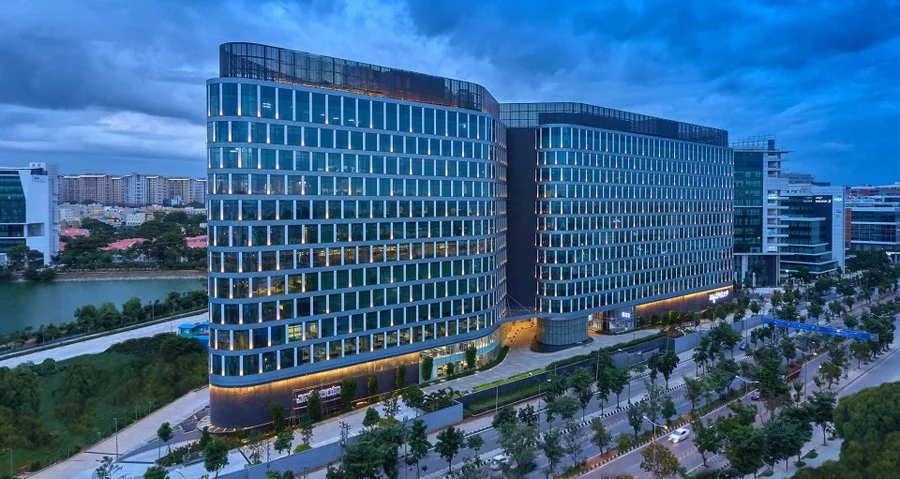
Bengaluru continues to strengthen its position as India’s leading Global Capability Centre (GCC) destination, with the city now hosting more than 1,000 GCCs. According to industry figures linked to a NASSCOM report, Bengaluru currently accounts for nearly 1,080 GCCs, representing more than one-third of the country’s installed GCC talent base.
The milestone reflects the city’s continued dominance in technology, engineering, research, analytics, and enterprise operations. Multinational companies across sectors have steadily expanded their presence in Bengaluru due to the availability of skilled talent, mature infrastructure, and a well-established innovation ecosystem.
Growth Driven by Technology and Innovation
Global Capability Centres have evolved beyond traditional back-office operations and are increasingly focused on high-value functions such as artificial intelligence, product engineering, cybersecurity, cloud computing, and financial analytics. Bengaluru’s strong startup culture and deep technology talent pool have positioned it as a preferred destination for these advanced operations.
The city is home to GCCs established by several multinational corporations operating in technology, banking, manufacturing, consulting, and semiconductor industries. Industry experts indicate that companies are continuing to scale operations in Bengaluru as part of long-term global expansion strategies.
Demand for Office Space Continues to Rise
The rapid expansion of GCCs has had a direct impact on Bengaluru’s commercial real estate market. Demand for Grade A office spaces remains strong across major business corridors including Whitefield, Outer Ring Road, Electronic City, and North Bengaluru.
Developers and institutional investors continue to focus on premium office assets, supported by stable occupancy levels and sustained leasing activity from multinational firms. Flexible workspace operators are also witnessing increased demand from GCCs looking for scalable office solutions.
The expansion of global business centres has additionally contributed to growth in residential real estate, retail infrastructure, hospitality, and urban mobility projects across the city.
Economic and Employment Impact
The GCC ecosystem has become a major contributor to Bengaluru’s economy by generating employment opportunities across technical and non-technical sectors. Increased investments by multinational companies are also supporting ancillary industries such as logistics, facility management, transportation, and food services.
As India continues to attract global investments in digital transformation and technology services, Bengaluru is expected to remain central to the country’s GCC growth story.
Conclusion
Industry trends suggest that the GCC sector will continue expanding in Bengaluru over the coming years, driven by demand for specialized talent and innovation-led business operations. With companies increasingly focusing on AI, engineering research, and enterprise technology solutions, the city is likely to maintain its leadership position in India’s global capability centre landscape.
Also Read: Bagmane Prime Office REIT IPO Opens with Bengaluru-Focused Grade A Portfolio