


Bangalore has established itself as one of the primary destinations for Global Capability Centers (GCCs), with multinational corporations continuing to expand their presence in the city. This expansion has become a key driver of commercial real estate demand, particularly in Grade A office spaces and integrated business parks.
Global Capability Centers—also referred to as Global In-house Centers (GICs)—are offshore units that handle core business functions such as IT services, finance, analytics, and research. Over the past decade, Bangalore has seen a steady rise in GCC setups due to its talent ecosystem, infrastructure, and cost efficiency, making it a focal point for global enterprises.
According to the FICCI-ANAROCK Workplaces 2025-2026 Report, Bengaluru remains India’s GCC capital, accounting for over 12 million square feet of GCC leasing in 2025 alone—more than one-third of the country’s total. Projections from Colliers India indicate that Grade A office demand will remain robust through 2026, with GCCs expected to drive nearly 50% of all office leasing as they transition from back-office support to high-value innovation hubs.
Key Drivers Behind GCC Expansion in Bangalore
The growth of GCCs in Bangalore is supported by multiple structural factors that continue to attract multinational companies.
1. Talent Availability and Skill Ecosystem
Bangalore hosts a large concentration of professionals in technology, engineering, data science, and finance. The presence of leading educational institutions and a strong startup ecosystem further strengthens the talent pipeline.
2. Established IT Corridors
Commercial hubs such as:
- Outer Ring Road (ORR)
- Whitefield
- Electronic City
- North Bengaluru (Hebbal, Airport region)
offer ready-to-occupy Grade A office spaces, making them preferred locations for GCCs.
3. Cost Efficiency Compared to Global Markets
Operating costs in Bangalore remain significantly lower than in global cities, allowing companies to scale operations efficiently.
4. Infrastructure Growth
Ongoing infrastructure developments, including metro expansion and road upgrades, are improving connectivity between residential and commercial zones.
Commercial Real Estate Micro-Markets in Bangalore
The GCC expansion has been concentrated in specific micro-markets that offer scalability and infrastructure.
Major Office Corridors
- Outer Ring Road (ORR): Dominates office leasing activity
- Whitefield: Key IT and business hub
- Electronic City: Established technology cluster
- North Bengaluru: Emerging commercial hotspot
- CBD (Central Business District): Premium office space demand
These locations provide large office campuses, proximity to talent pools, and strong connectivity, making them ideal for multinational companies.
Average Commercial Property Prices in Bangalore
The commercial real estate market in Bangalore shows variation based on location, building grade, and demand.
Office Space Pricing (Capital Values)
| Location Type | Price per Sq Ft (₹) |
|---|---|
| CBD / Prime Areas | 18,000 – 25,000 |
| ORR / Whitefield | 12,000 – 20,000 |
| Emerging Corridors | 8,000 – 15,000 |
Office Rental Trends
| Location Type | Rent per Sq Ft/Month (₹) |
|---|---|
| Premium CBD | 150 – 250 |
| ORR / Whitefield | 80 – 150 |
| Peripheral Areas | 50 – 90 |
Rental growth in these corridors has been supported by consistent demand from GCCs and IT companies, leading to high occupancy levels in Grade A developments.
GCC Expansion and Office Space Absorption
The presence of GCCs has significantly contributed to office space absorption in Bangalore.
Key Trends:
- GCCs account for a large share of annual office leasing activity
- Demand is focused on large floor plates and scalable campuses
- Preference for sustainable and tech-enabled office buildings
- Increased adoption of flexible workspaces within large campuses
This trend is influencing developers to build future-ready office infrastructure.
Impact on Residential Real Estate
The expansion of GCCs is not limited to commercial real estate; it has a cascading effect on residential markets.
Key Impacts:
- Increased demand for housing near IT corridors
- Growth in rental housing markets
- Rise in premium and luxury residential projects
- Development of integrated townships
High-Demand Residential Areas:
- Whitefield
- Sarjapur Road
- Bellandur / ORR
- North Bengaluru
These areas are witnessing steady price appreciation and rental demand, driven by proximity to employment hubs.
Five-Year Outlook (2026–2031)
The commercial real estate sector in Bangalore is expected to remain resilient, supported by continued GCC expansion.
Projected Trends:
- Annual rental growth: 5%–7%
- Increased office space absorption
- Expansion into peripheral business districts
- Growth in green-certified and smart buildings
- Higher demand for large integrated campuses
Market Outlook Table
| Factor | Outlook (Next 5 Years) |
|---|---|
| GCC Expansion | Strong growth |
| Office Demand | High and sustained |
| Rental Prices | Moderate upward trend |
| New Supply | Increasing in outer corridors |
| Investment Activity | Stable to growing |
Broader Impact on Real Estate Sector
1. Increased Demand for Grade A Assets
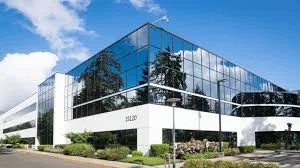
The expansion of Global Capability Centers (GCCs) has led to a measurable increase in demand for Grade A office spaces across Bangalore. These assets are typically defined by modern infrastructure, large floor plates, sustainability certifications, and advanced technology integration.
In recent years, a significant share of total office leasing in Bangalore has been concentrated in Grade A developments, particularly in micro-markets such as Outer Ring Road (ORR), Whitefield, and North Bengaluru. GCC occupiers generally prefer:
- Large, contiguous office spaces (50,000–500,000 sq ft and above)
- Buildings with LEED or IGBC green certifications
- Smart building systems including automation and energy efficiency
- Enhanced employee amenities such as cafeterias, wellness zones, and parking infrastructure
This shift has resulted in developers prioritizing institutional-grade assets over smaller standalone office buildings. As a result, vacancy levels in premium Grade A spaces have remained relatively lower compared to older office stock.
2. Growth of Mixed-Use Developments
The rise of GCCs has accelerated the development of integrated mixed-use projects, particularly in high-demand corridors. These developments combine:
- Commercial office spaces
- Residential units
- Retail and entertainment zones
- Hospitality components
The rationale behind mixed-use development is driven by the need to create self-sustained urban ecosystems that reduce commute times and improve convenience for employees.
In Bangalore, several large-scale projects in ORR, Whitefield, and North Bengaluru are being designed as walk-to-work environments, where office spaces are integrated with residential apartments and lifestyle amenities.
Key factors driving this trend include:
- Increasing workforce density in IT corridors
- Demand for proximity between workplace and housing
- Efficient land utilization in high-value urban zones
- Preference for integrated infrastructure by multinational occupiers
Mixed-use developments are also contributing to higher land value appreciation in surrounding areas due to improved livability and commercial activity.
3. Infrastructure-Led Growth
Infrastructure development continues to play a critical role in shaping commercial real estate demand in Bangalore, particularly in areas witnessing GCC expansion.
Key Infrastructure Drivers:
- Namma Metro Expansion:
The extension of metro lines across Whitefield, Electronic City, and North Bengaluru has improved connectivity between residential and commercial hubs. - Peripheral Ring Road (PRR) and Satellite Town Ring Road (STRR):
These projects are expected to reduce congestion and improve access to emerging business districts. - Airport Connectivity:
Infrastructure development around Kempegowda International Airport has supported commercial growth in North Bengaluru. - Road Widening and Signal-Free Corridors:
Improvements in arterial roads such as Outer Ring Road have enhanced accessibility to major office clusters.
As a result, commercial real estate activity has increasingly shifted toward infrastructure-led corridors, where improved connectivity supports large-scale office developments.
Developers and investors often track infrastructure timelines closely, as property values and leasing demand tend to increase in areas with upcoming connectivity enhancements.
4. Institutional Investment
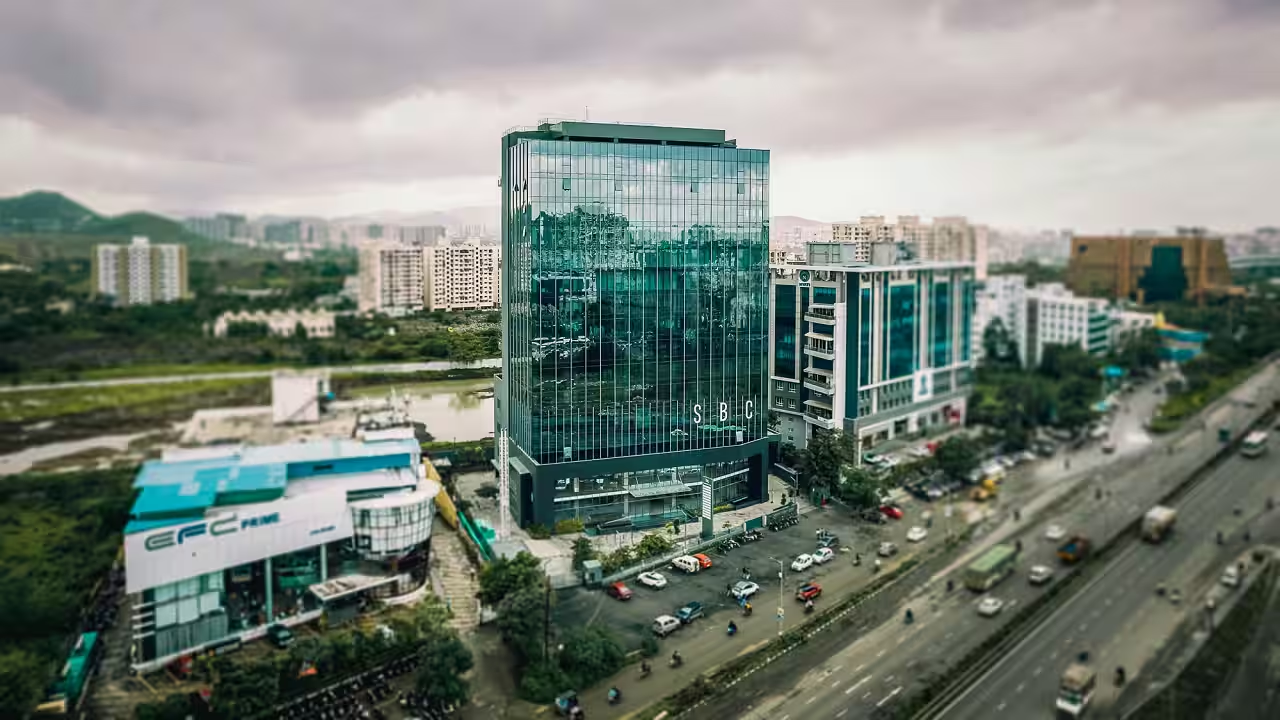
The commercial real estate sector in Bangalore has witnessed growing participation from institutional investors, including private equity firms, real estate investment trusts (REITs), and global funds.
GCC-driven demand has strengthened investor confidence due to:
- Long-term lease commitments from multinational tenants
- Stable rental income streams
- High occupancy levels in Grade A office spaces
- Strong demand visibility in key micro-markets
Key Investment Trends:
- Increased acquisition of income-generating office assets
- Expansion of REIT portfolios focused on commercial properties
- Joint ventures between developers and global investors
- Preference for core and core-plus office assets
Institutional investment has also contributed to improved transparency, governance standards, and asset quality within the commercial real estate sector.
In addition, Bangalore continues to attract a significant share of total commercial real estate investment in India, reinforcing its position as a key office market in the Asia-Pacific region.
Challenges in GCC-Driven Growth
While the outlook remains positive, certain challenges persist:
- Traffic congestion in major corridors
- Pressure on urban infrastructure
- Rising land and construction costs
- Regulatory approvals and zoning constraints
Addressing these challenges will be important for sustaining long-term growth.
Regional Highlights
- Bangalore continues to be India’s leading GCC hub
- ORR and Whitefield dominate commercial leasing
- Strong rental growth in Grade A office spaces
- Emerging Karnataka cities are gaining attention
- GCC expansion is influencing both commercial and residential markets
Watch: Why Indian states are competing to become a GCC Capital
Summary
The expansion of Global Capability Centers has become a major driver of Bangalore’s commercial real estate growth. With sustained demand for office spaces, ongoing infrastructure development, and a strong talent ecosystem, the city continues to attract multinational companies.
Over the next five years, GCC-led demand is expected to support steady growth in office space absorption, rental values, and real estate investments, reinforcing Bangalore’s position as a global business hub.
Also Read: Vertical Housing in India: The Future of Urban Living in Cities Like Bengaluru