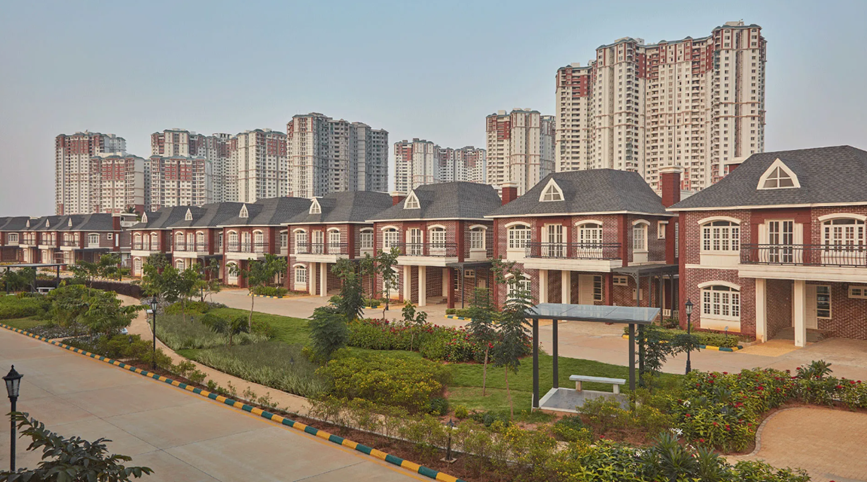


Housing sales across India’s top eight cities declined by 4% year-on-year in the January–March quarter of 2026, indicating a moderation in residential demand after a sustained growth phase. According to Knight Frank, total sales stood at 84,827 units, compared to 88,361 units in the same period last year.
The dip has been attributed to rising property prices and global uncertainties, particularly the ongoing West Asia conflict, which has impacted buyer sentiment and decision-making.
Key Market Trends Across Cities
The performance across cities remained mixed, with some major markets witnessing declines while others continued to grow.
City-wise Trends
- Decline observed in: Mumbai, Delhi-NCR, Pune
- Growth recorded in: Bengaluru, Hyderabad, Chennai, Ahmedabad, Kolkata
- Bengaluru sales rose by 5% annually
- Chennai recorded a 9% increase in transactions
This divergence indicates that while affordability concerns persist, demand remains stable in select high-growth markets.
Housing Market Snapshot
| Parameter | Q1 2025 | Q1 2026 | Change |
|---|---|---|---|
| Total Housing Sales | 88,361 units | 84,827 units | -4% |
| New Launches | 96,000+ units | 94,855 units | -2% |
| Unsold Inventory | ~5.0 lakh | ~5.2 lakh | +3% |
Key Factors Behind the Slowdown
Several structural and external factors contributed to the dip in housing sales.
Major Drivers
- Continued rise in residential property prices
- Affordability pressures among buyers
- Geopolitical uncertainty linked to the West Asia conflict
- Natural market consolidation after a multi-year growth cycle
Industry experts note that the market had experienced a strong post-pandemic recovery, and the current slowdown reflects a phase of recalibration.
Real Estate Impact: Shift Toward Stability
The moderation in sales highlights evolving dynamics within India’s housing sector.
Market Implications
- Increased focus on affordability and pricing strategies
- Stable demand in mid-income and premium segments
- Developers likely to calibrate new launches
- Rise in unsold inventory indicating cautious absorption
The data suggests that while demand has softened in some cities, the overall market remains structurally stable.
Outlook for the Housing Sector
The near-term outlook indicates cautious buyer sentiment, particularly amid global uncertainties. However, India’s long-term housing demand drivers—urbanisation, population growth, and income expansion—remain intact.
Analysts expect demand to stabilise as market conditions adjust and affordability improves.
Conclusion
The 4% dip in housing sales during Q1 2026 reflects a temporary moderation driven by high prices and global factors. While select cities continue to show resilience, the broader market is entering a phase of consolidation following a strong growth cycle.
Also Read: Brigade Group and Hyatt Announce Grand Hyatt Chennai ECR and Hyatt House Bengaluru Projects