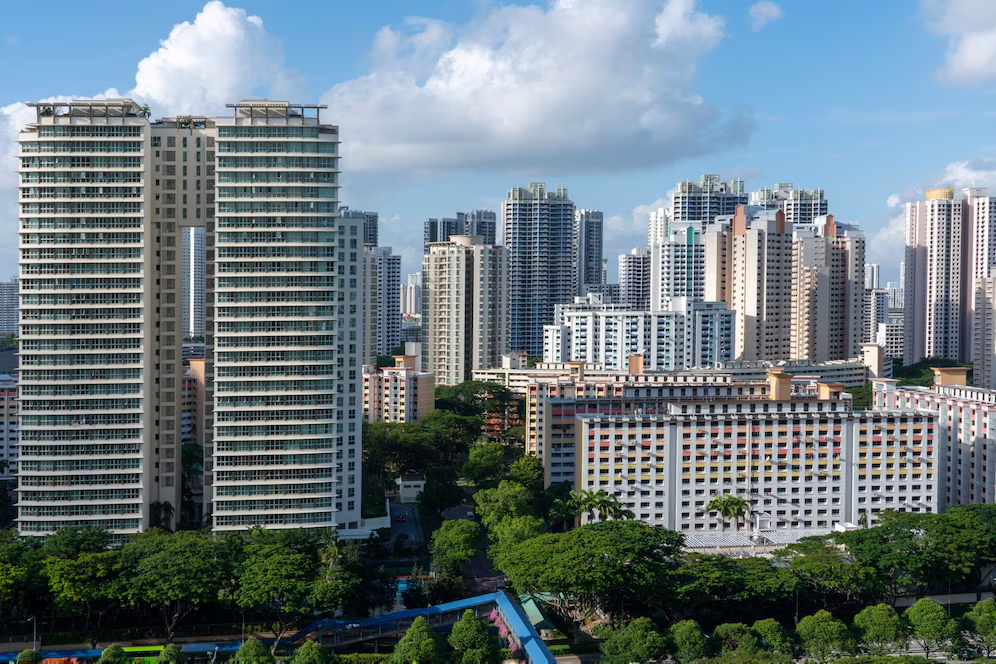

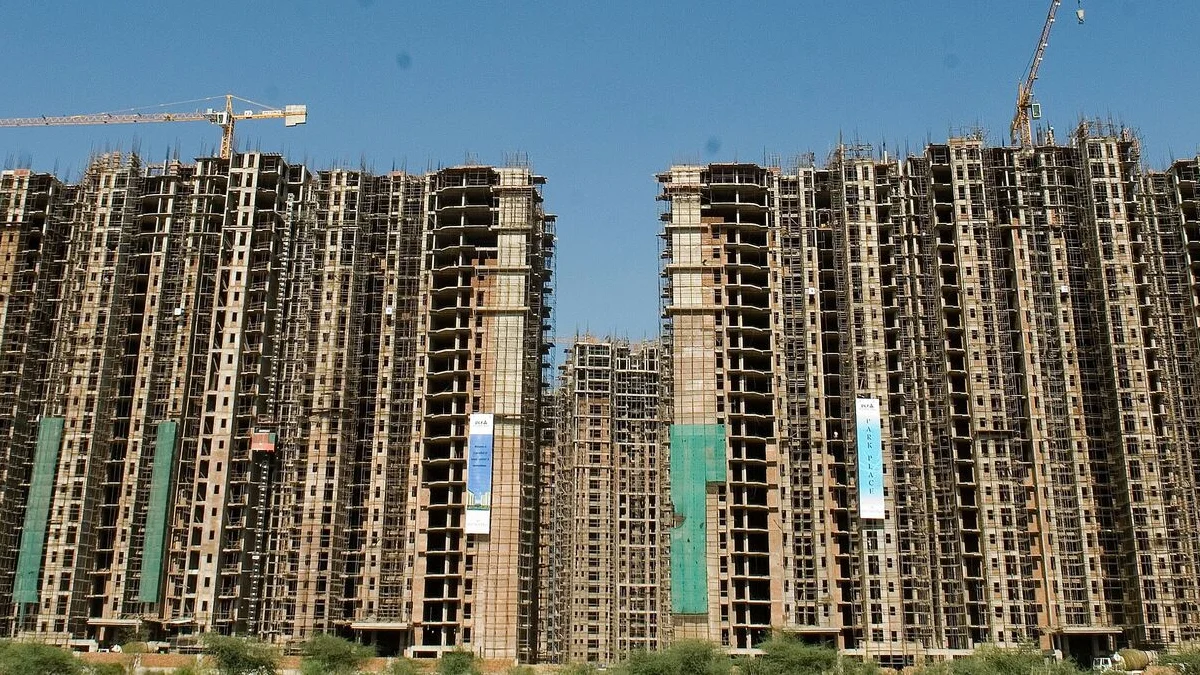
India’s real estate sector is rapidly evolving from a supplementary revenue stream into a central pillar of growth for the country’s leading conglomerates. Major groups such as Larsen & Toubro (L&T), Adani, Godrej, Tata, Mahindra, and Shapoorji Pallonji are now treating property development as a strategic business driver rather than just a way to monetise land. L&T Realty Projects showcase how conglomerates consolidate real estate ventures to become major listed entities, focusing on integrated townships, residential complexes, and commercial hubs.
Historically, conglomerates relied on sporadic land sales and small projects to boost earnings. Today, well-capitalised groups are launching large-scale townships, integrated commercial-residential developments, and mixed-use properties aligned with India’s urbanisation and infrastructure growth. Regulatory reforms such as RERA have strengthened governance and increased buyer confidence, allowing organised developers to scale rapidly. Companies like Godrej Properties are actively leveraging these reforms to expand in high-growth urban markets.
For instance, L&T Realty is targeting revenues of ₹8,500 crore and an EBITDA of ₹4,700 crore by FY30. Similarly, Prestige Group and Mahindra Lifespace are aggressively expanding in premium housing, logistics parks, and sustainable urban townships. Some groups, including the Raymond Group, have demerged and listed their real estate arms to attract capital and unlock value, while Adani Realty continues to invest heavily in high-profile redevelopment projects.
Experts believe this trend will continue and deepen. Conglomerates are increasingly leveraging REITs, capital recycling, and brand equity to enhance profitability while ensuring strong governance and execution. With growing urban demand, real estate strategy is now firmly at the heart of corporate planning in India, marking a clear shift from ancillary business to core strategic focus.
Also Read: Ritika Sajdeh Buys ₹26 Cr Luxury Apartment in Mumbai’s Prabhadevi