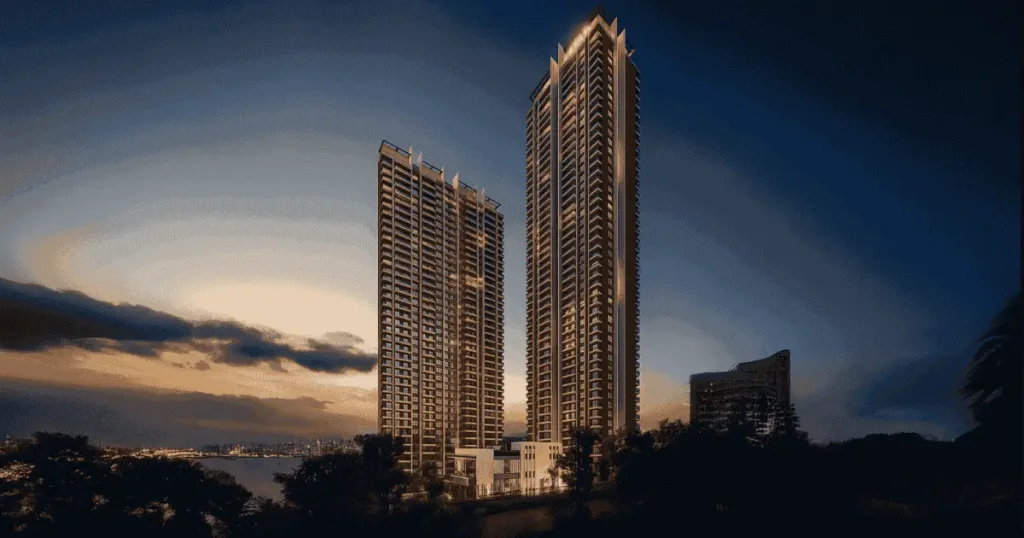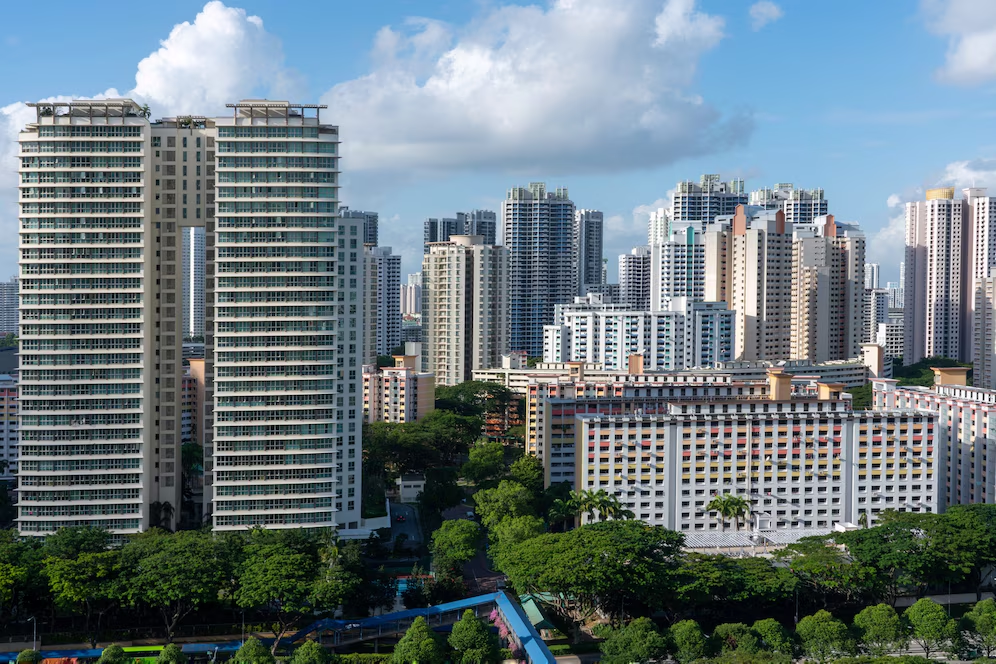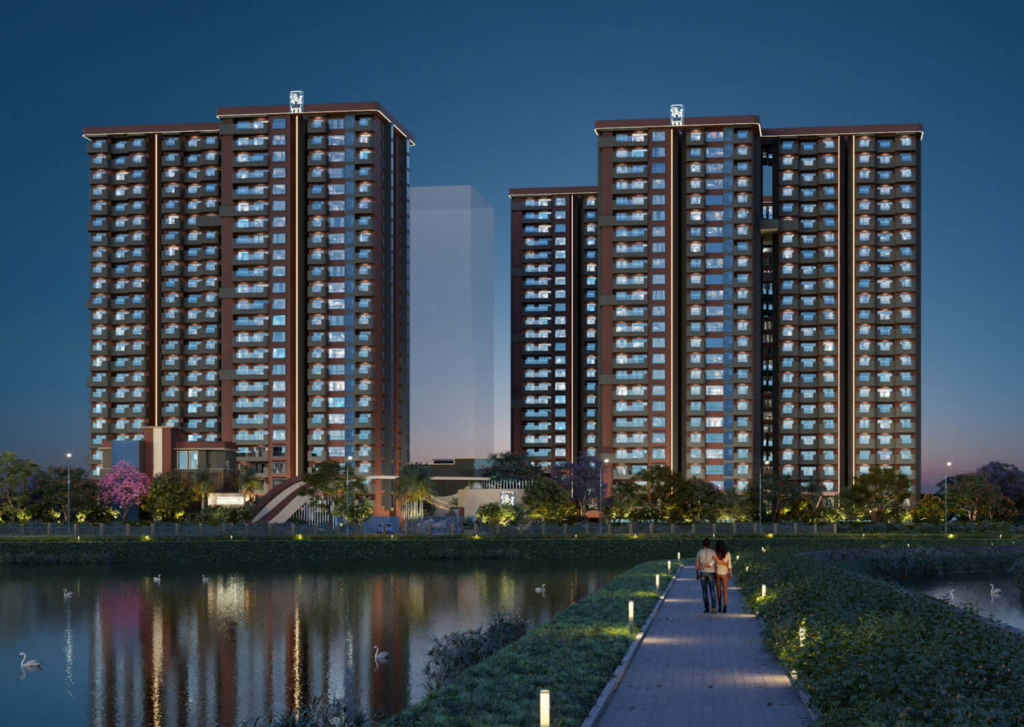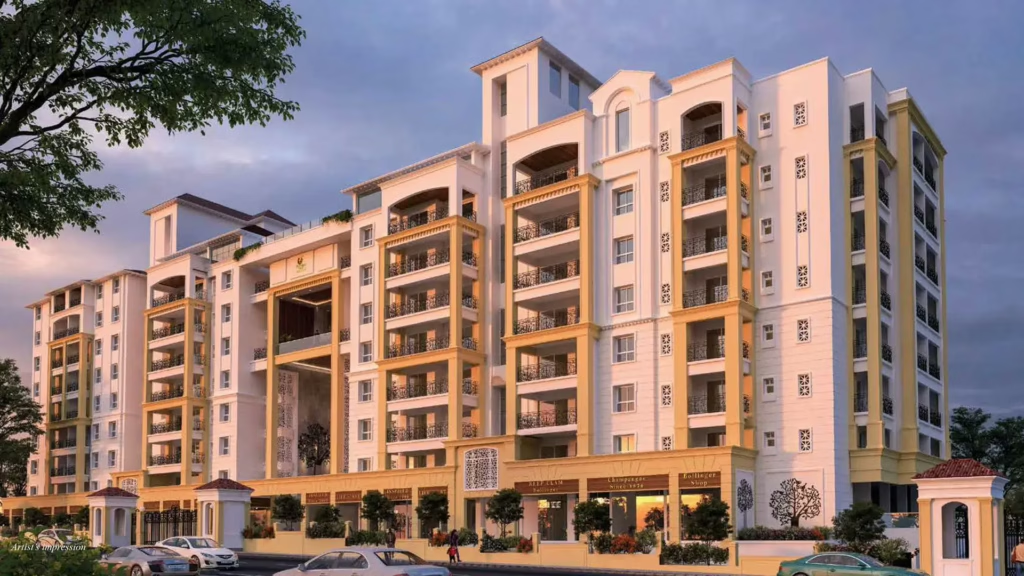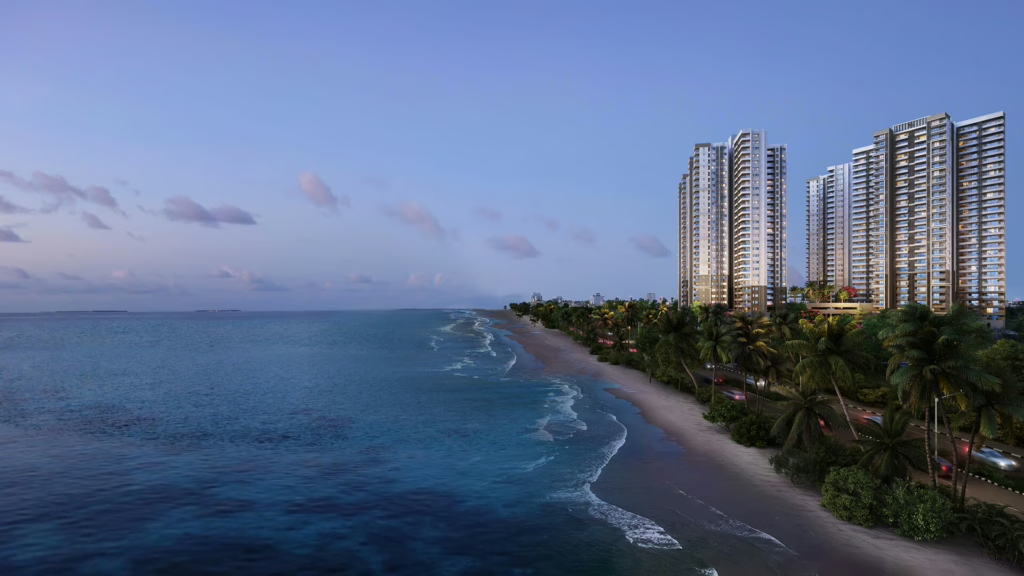

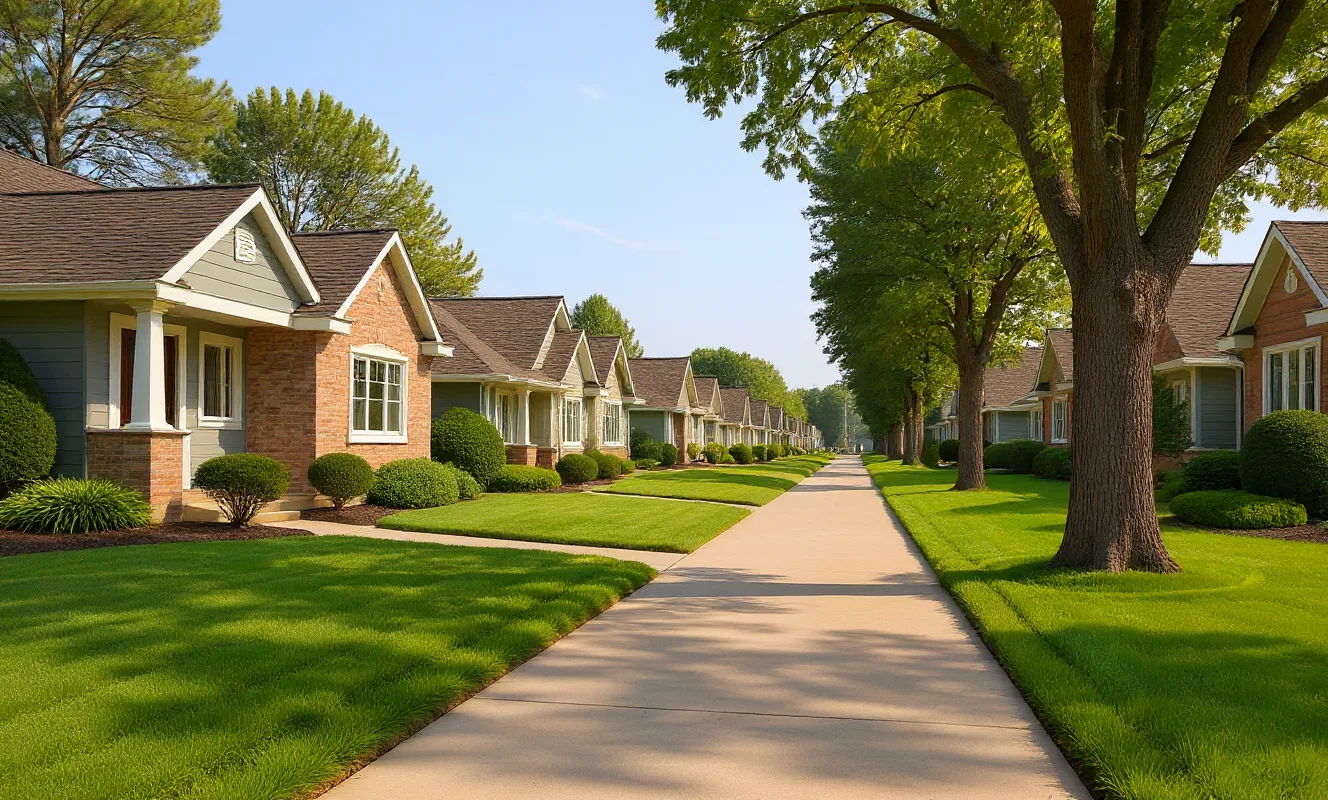
Mumbai’s once-tranquil Juhu-Vile Parle Development (JVPD) area, long known for its spacious bungalows and green lanes, is rapidly being redeveloped into a skyline of high-rise luxury towers. What was once a low-density bungalow enclave is now experiencing a vertical transformation, thanks to a sharp increase in the allowable Floor Space Index (FSI) in the neighbourhood.
Originally, JVPD was planned as a residential area with modest, low-rise homes and wide plots. However, the FSI in recent years has surged dramatically — from a baseline near 1 to as high as 5.4 in some cases. This regulatory change has unlocked the potential for developers to build much taller and denser structures on the same land, paving the way for modern high-rise residential complexes.
This redevelopment wave is being fueled by demand both from long-established families seeking more modern and larger homes, and from developers looking to capitalise on the premium land values in JVPD. Over the past decade, more than 40 bungalow plots in the area have reportedly been sold or redeveloped, reflecting how aggressively this transformation is underway.
While these luxury towers promise contemporary amenities and upgraded living standards, the change has raised growing urban concerns. Densification is increasingly affecting natural light, ventilation, and open space in the area. As more towers replace individual bungalows, critics worry about the loss of greenery, increased congestion, and a strain on local infrastructure — including narrow roads, parking capacity, and civic services.
Urban planners and experts caution that despite the aesthetic appeal of vertical growth, the underlying infrastructure may not be keeping pace. Even as the JVPD skyline soars, many question whether water supply lines, sewage systems, roads, and other essential city services are being upgraded to cope with the rising population.
In short, JVPD’s bungalow-to-tower transformation exemplifies a broader trend across Mumbai: redevelopment driven by high FSI norms. While this heightens architectural ambition and unlocks premium real estate value, it also underscores the pressing need for sustainable urban planning — to ensure that vertical growth does not come at the cost of livability.
Also Read: India’s Retail Leasing Hits 3.2 Million Sq Ft in Q3 2025, Up 65% YoY; Delhi-NCR & Hyderabad Lead