
The Maharashtra government has introduced a fresh regulatory push aimed at unlocking the redevelopment of Mumbai’s long-stalled pagdi buildings, a move expected to revive one of the city’s most constrained real estate segments. The initiative seeks to address long-standing structural, legal and commercial challenges associated with the pagdi system, which has historically limited redevelopment activity despite the prime locations of these properties.
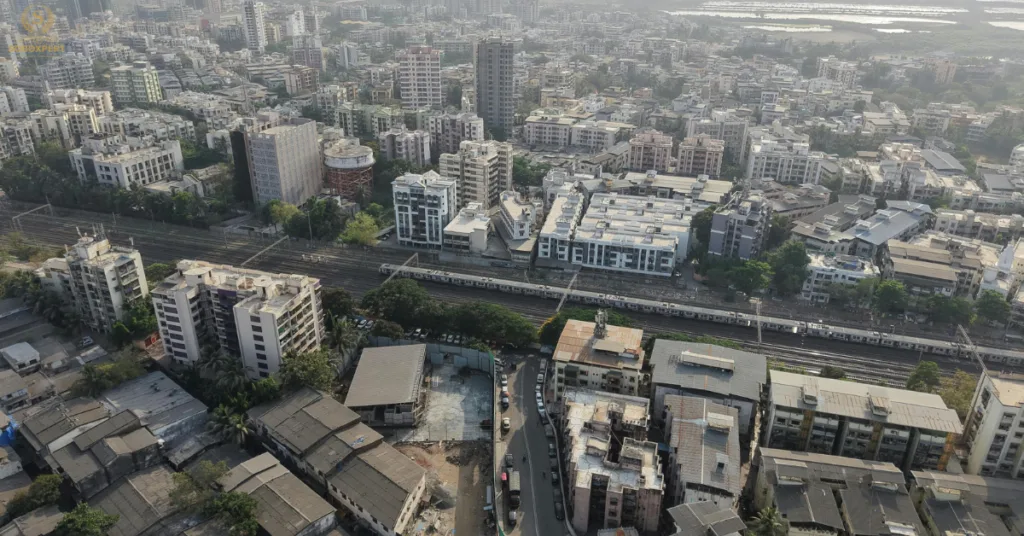
Mumbai is estimated to have more than 19,000 pagdi buildings, of which over 13,000 are yet to undergo redevelopment. Many of these structures are several decades old and are concentrated in central and south Mumbai areas where land availability is limited. Due to the age of these buildings, safety concerns have grown, making redevelopment a critical urban requirement.
The pagdi system allows tenants to occupy properties by paying a one-time premium while continuing to pay very low rents. Over time, this has resulted in strong tenancy rights, making it difficult for landlords and developers to reach consensus for redevelopment. Legal complexities, consent requirements and unclear financial viability have further slowed progress, leaving a large number of buildings in a stalled condition.
The newly proposed framework aims to provide an alternative redevelopment route by clarifying consent norms and offering structured incentives to both tenants and landlords. The policy is designed to coexist with existing redevelopment regulations while providing a more practical option for pagdi properties that have failed to move forward under earlier mechanisms. It also seeks to improve transparency in rehabilitation terms and timelines.
According to the government, the framework includes provisions to protect tenants, particularly those from economically weaker sections, by ensuring that reconstruction costs are covered and rehabilitation rights are safeguarded. In cases where full development potential cannot be utilised on-site, the policy allows the issuance of transferable development rights to improve project feasibility.
Real estate industry stakeholders note that the effectiveness of the policy will depend on its on-ground implementation and the resolution of legal disputes that have traditionally delayed projects. If executed efficiently, the policy could help unlock redevelopment in key neighbourhoods such as Girgaon, Byculla, Dadar and Grant Road, leading to improved housing stock and upgraded urban infrastructure.
Also Read: Mumbai Real Estate Posts Strong Long-Term Returns | Juhu Nearly 2X Growth