

South and West Chennai are expected to emerge as the primary residential growth corridors in 2026, driven by infrastructure upgrades, improved connectivity, and sustained housing demand, according to a recent industry assessment by CREDAI Chennai. The report indicates that these regions are witnessing increased interest from homebuyers due to their proximity to employment hubs, availability of land parcels, and ongoing transport projects.
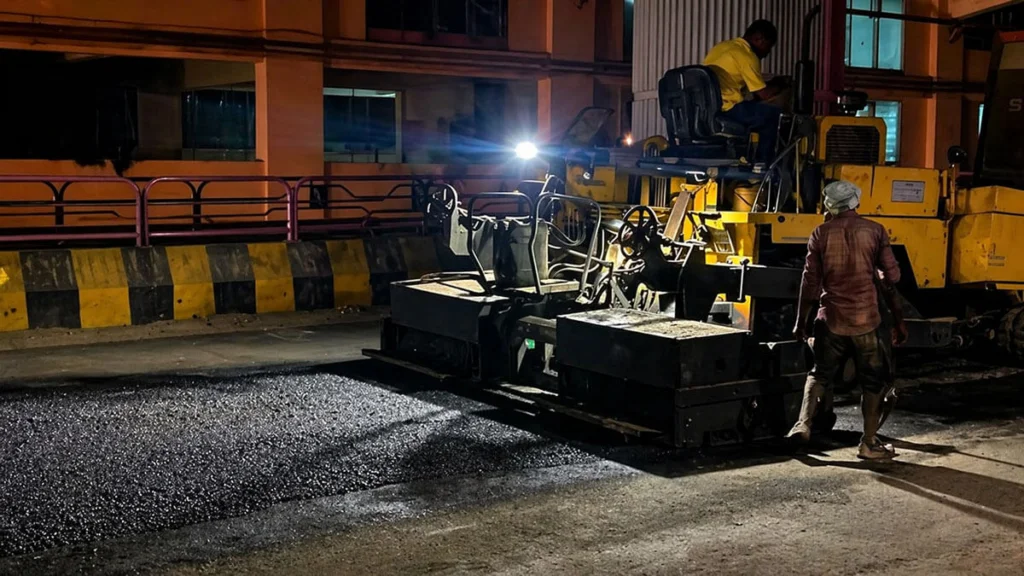
Infrastructure developments such as the upcoming Kuthambakkam integrated bus terminus and the expansion of Chennai Metro Rail are playing a crucial role in shaping housing demand across western suburbs. Improved road networks and enhanced last-mile connectivity have further strengthened residential prospects along major corridors including Old Mahabalipuram Road, Grand Southern Trunk Road, and the Porur–Poonamallee stretch. These factors are expected to support steady residential absorption across both mid-segment and affordable housing categories.
Housing sales in Chennai during the financial year 2025–26 are projected to cross 15,000 units, reflecting an estimated growth of around 18 percent compared to the previous year. Despite economic uncertainties, residential prices in the city have remained largely stable, indicating a balanced market with steady buyer confidence. Developers have continued to focus on demand-driven supply, ensuring measured project launches aligned with market absorption.
Industry stakeholders also point to macro-economic factors that could improve affordability in 2026. Possible reductions in the RBI repo rate, along with expectations of rationalised taxation on construction inputs, may help ease borrowing costs for homebuyers. Government-backed housing initiatives and supportive policy measures are also expected to contribute positively to the residential sector.
South and West Chennai continue to attract both end-users and long-term investors due to their strategic location near IT corridors, industrial zones, and educational institutions. With infrastructure projects progressing steadily and residential demand remaining consistent, these micro-markets are likely to play a leading role in Chennai’s housing growth trajectory in 2026.
Also Read: Telangana Real Estate Registrations Fall, Revenue Rises by ₹500 Crore