
Bengaluru has long been regarded as India’s leading technology hub, hosting a large share of the country’s IT companies, multinational corporations, and startup ecosystem. Over the past two decades, the city has attracted significant investments from global technology firms and continues to remain one of the country’s most important economic centers.
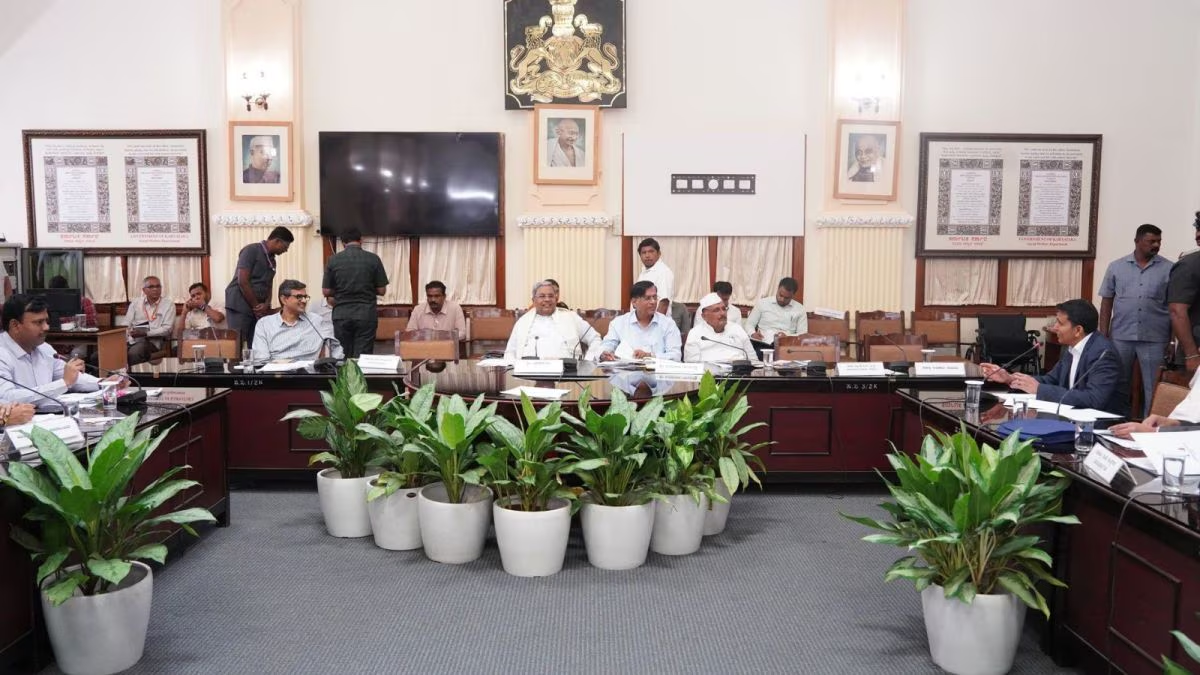
However, recent policy initiatives from the Karnataka government aim to encourage companies to expand operations into tier-2 and tier-3 cities across the state. The objective of this strategy is to distribute economic activity more evenly, reduce pressure on Bengaluru’s infrastructure, and promote development in emerging urban centers.
Incentives such as improved infrastructure, lower operational costs, and policy support are being considered to attract technology companies to other cities. This approach may also support employment generation and regional economic development across Karnataka.
Such initiatives are expected to influence real estate markets in several regional cities, particularly in terms of office space demand, residential housing development, and supporting infrastructure expansion.
Why Karnataka is Encouraging Expansion Beyond Bengaluru
Over the past two decades, Bengaluru has experienced rapid economic and population growth. The city hosts numerous technology parks, multinational corporations, and startup companies. However, this rapid expansion has also created infrastructure challenges including traffic congestion, rising real estate prices, and pressure on urban services.
Encouraging companies to expand into other cities within the state is intended to support balanced regional development while also reducing the strain on Bengaluru’s infrastructure.
Several factors are contributing to this policy direction:
-
Increasing demand for office space outside Bengaluru
-
Rising commercial and residential real estate costs in the city
-
Infrastructure development in regional urban centers
-
Availability of skilled workforce in smaller cities
-
Improved connectivity through highways, airports, and rail networks
These factors have positioned several cities in Karnataka as potential destinations for technology-driven economic growth.
Key Emerging Cities for Technology Growth in Karnataka
Several cities across Karnataka are being positioned as alternative growth centers for technology companies and associated industries.
1. Mangaluru
Mangaluru is emerging as a technology and logistics hub due to its coastal location and strong connectivity through ports, railways, and airports. The state government has proposed several initiatives to support digital economy growth in the region.
Watch this video discussing the emergence of Karnataka’s coastal cities as the next potential IT hub alongside Bengaluru.
Major Proposed and Ongoing Projects
-
Development of a KEONICS Technology Park in Mangaluru to support IT companies and startups
-
Expansion of technology clusters focusing on fintech and digital services
-
Infrastructure upgrades including fishing harbour expansion and logistics improvements
-
Proposed railway electrification and connectivity upgrades between Mangaluru and Mysuru
Growth in logistics, port infrastructure, and IT services may influence demand for residential developments near employment hubs. Improved connectivity may also support tourism-related real estate and commercial developments.
2. Mysuru
Mysuru has been identified as a key city in the state’s strategy to expand the technology ecosystem beyond Bengaluru. The Karnataka government has proposed developing the city as the state’s second major IT hub, which could support job creation and attract technology companies.
The city is already home to several IT campuses, educational institutions, and technology training facilities.
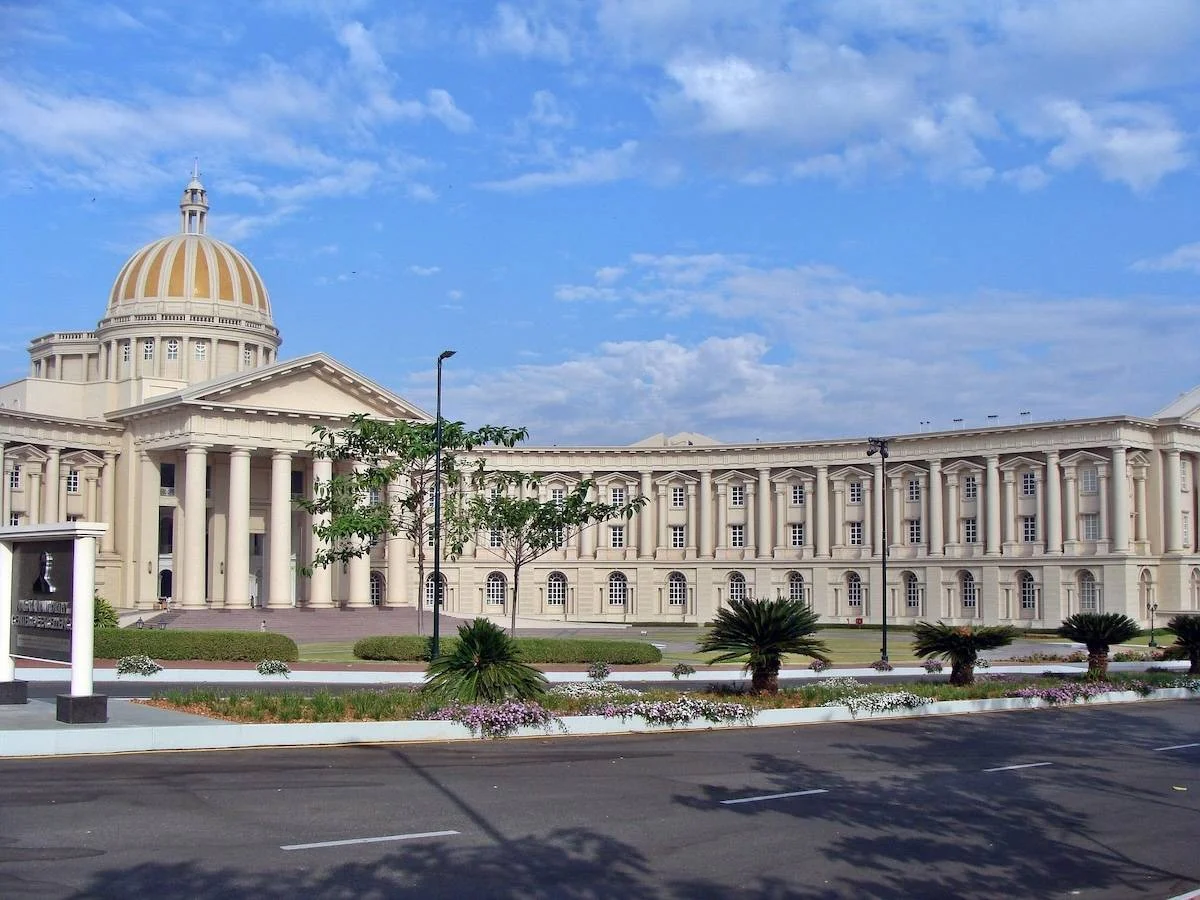
The Infosys Global Education Center in Mysuru, one of the world’s largest corporate training campuses, has also contributed to the city’s reputation as a technology talent hub.
Major Proposed and Ongoing Projects
-
Development of Mysuru as Karnataka’s second IT hub under state economic planning
-
Expansion of IT parks and startup ecosystems
-
Infrastructure upgrades including solar-powered government facilities
-
Digital modernization initiatives such as paperless court systems
Technology expansion in Mysuru may increase demand for residential housing, particularly in areas located near technology parks and employment zones. Improved infrastructure and employment opportunities could gradually support growth in residential developments and rental housing demand.
3. Hubballi–Dharwad
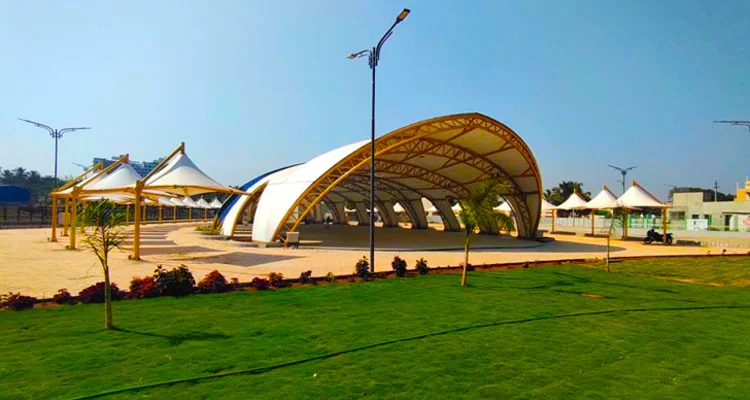
The twin cities of Hubballi and Dharwad are among the key clusters being developed under the state’s “Beyond Bengaluru” technology initiative. The region has been identified for IT services, electronics manufacturing, and startup ecosystem development.
Major Proposed and Ongoing Projects
-
Development of an Electronics Manufacturing Cluster (EMC 2.0) in the Kotur-Belur industrial area
-
Expansion of startup ecosystems to promote technology entrepreneurship
-
Technology park proposals aimed at creating IT and innovation clusters
-
Expansion of the Hubballi–Dharwad Bus Rapid Transit System (BRTS) to improve public transport connectivity
Industrial and technology cluster development may influence demand for both residential housing and commercial spaces in surrounding areas. Employment growth linked to manufacturing and technology sectors could support the development of new housing projects and commercial developments.
4. Belagavi
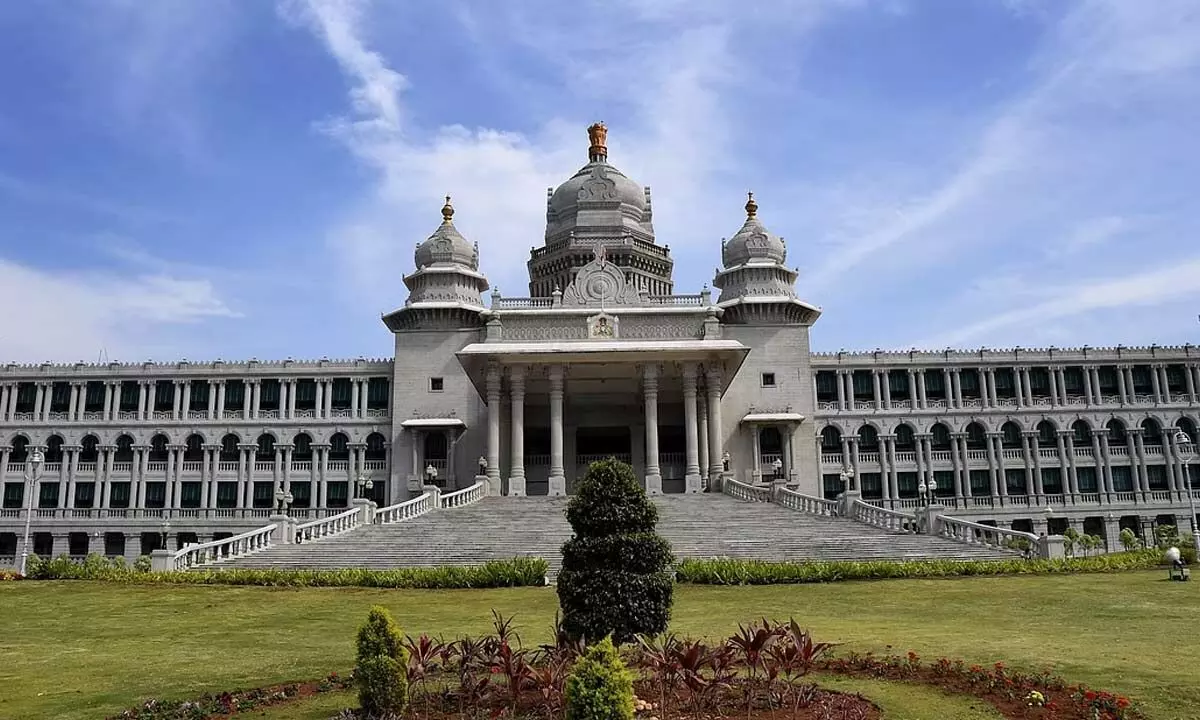
Belagavi has been positioned as an important industrial and administrative hub in northern Karnataka. Several infrastructure and institutional projects have been proposed to support economic growth in the region.
Major Proposed and Ongoing Projects
-
Development of a 1,000-acre industrial park
-
Infrastructure improvements including water supply and irrigation projects
-
Electric bus transport infrastructure and green mobility initiatives
-
Expansion of education infrastructure including new colleges and institutional facilities
Industrial and institutional development may contribute to gradual expansion of residential housing demand in Belagavi. Infrastructure growth often supports the development of surrounding residential neighborhoods and supporting commercial services.
5. Other Emerging Cities: Shivamogga and Kalaburagi
Shivamogga and Kalaburagi are also being considered under Karnataka’s regional development initiatives aimed at expanding the state’s technology ecosystem.
Shivamogga
-
Development of technology infrastructure and startup ecosystems
-
Expansion of regional industrial and digital infrastructure
Kalaburagi
-
Development of startup and innovation ecosystems
-
Infrastructure projects supporting digital industries and business operations
As infrastructure and employment opportunities improve, these cities may gradually see increases in residential developments and mixed-use real estate projects.
Estimated Property Price Trends in Karnataka Cities
| City | Avg Price per Sq Ft (2025) | 2030 Projection Range | Key Growth Drivers |
|---|---|---|---|
| Bengaluru | ₹7,000 – ₹12,000 | ₹9,000 – ₹15,000 | Infrastructure projects, metro expansion, tech growth |
| Mysuru | ₹4,000 – ₹6,500 | ₹5,500 – ₹8,500 | IT hub development, Bengaluru connectivity |
| Mangaluru | ₹4,500 – ₹7,000 | ₹6,000 – ₹9,000 | Port logistics, tech parks |
| Hubballi–Dharwad | ₹3,000 – ₹4,500 | ₹4,500 – ₹6,500 | Manufacturing clusters, BRTS expansion |
| Belagavi | ₹3,200 – ₹4,800 | ₹4,500 – ₹6,800 | Industrial parks, regional connectivity |
| Shivamogga | ₹2,800 – ₹4,000 | ₹4,000 – ₹6,000 | Infrastructure growth, regional development |
| Kalaburagi | ₹2,500 – ₹3,800 | ₹3,500 – ₹5,500 | Startup ecosystems, education hubs |
Factors That Could Influence Future Property Prices
Several factors may influence real estate price trends in emerging Karnataka cities over the next five years.
1. Infrastructure Development
Large infrastructure projects such as highways, airports, metro connectivity, and industrial corridors often influence property demand and development patterns. Transport upgrades can significantly improve inter-city connectivity and economic activity, as seen in initiatives like the upcoming improvement in the Bengaluru–Hyderabad rail journey, which is expected to reduce travel time and strengthen regional mobility.
2. Employment Growth
The presence of employment hubs such as IT parks, manufacturing clusters, and startup ecosystems often drives housing demand in surrounding areas. Continued corporate expansion also plays a role in shaping real estate markets, including recent developments such as Airbus expanding its Bengaluru presence with an additional 1.51 lakh sq ft lease at Titanium Tech Park, reflecting sustained demand for office space in major technology hubs.
3. Urban Planning and Government Policies
Government initiatives focused on urban infrastructure and civic services can significantly influence long-term development in growing cities. Large-scale public projects such as the Cauvery Stage VI water supply project, which is expected to benefit nearly 30 lakh residents in North Bengaluru, demonstrate how infrastructure planning supports urban expansion and residential growth.
4. Connectivity with Bengaluru
Many emerging cities are located within improved connectivity corridors linked to Bengaluru through highways, rail networks, and airports.
Rental Market Outlook in Emerging Cities
In addition to property price trends, rental markets in emerging cities may also evolve as employment opportunities expand.
Rental demand may increase in areas located near:
-
IT parks and technology clusters
-
Industrial zones
-
Educational institutions
-
Transport hubs
Cities that attract technology companies often experience growth in rental housing markets due to workforce mobility.
Emerging Real Estate Investment Corridors in Karnataka
Several corridors across Karnataka are gradually gaining attention due to infrastructure expansion and economic development initiatives.
Some emerging investment corridors include:
-
Bengaluru–Mysuru Growth Corridor
-
Hubballi–Dharwad Industrial Corridor
-
Mangaluru Coastal Development Corridor
-
Belagavi Industrial and Logistics Corridor
These corridors may support long-term development across residential, commercial, and logistics real estate segments.
Frequently Asked Questions (FAQs)
1. Why is Karnataka promoting IT growth beyond Bengaluru?
The Karnataka government is encouraging technology companies to expand into tier-2 and tier-3 cities to support balanced regional development and reduce infrastructure pressure on Bengaluru.
2. Which cities are emerging as new technology hubs in Karnataka?
Cities such as Mysuru, Hubballi–Dharwad, Mangaluru, Belagavi, Shivamogga, and Kalaburagi are being positioned as emerging technology and economic hubs.
3. How could IT expansion influence real estate markets?
Technology expansion may increase demand for residential housing, rental properties, and office spaces in cities receiving infrastructure investments and employment opportunities.
4. Are property prices lower than Bengaluru in these cities?
Yes, property prices in several tier-2 cities remain significantly lower compared to Bengaluru, which may attract homebuyers and investors seeking long-term opportunities.
5. What infrastructure projects support development in these cities?
Infrastructure projects include technology parks, industrial clusters, connectivity upgrades, and digital economy initiatives across multiple regions in Karnataka.
Key Highlights for Investors and Homebuyers
-
Karnataka is encouraging technology growth beyond Bengaluru into tier-2 cities
-
Mysuru, Hubballi-Dharwad, Mangaluru and Belagavi are emerging as potential economic hubs
-
Property prices in these cities remain lower compared to Bengaluru
-
Infrastructure and industrial investments may support long-term growth
-
Real estate markets may gradually expand depending on economic development
Also Read: Karnataka Budget 2026 Announces Major Infrastructure Projects for Bengaluru