

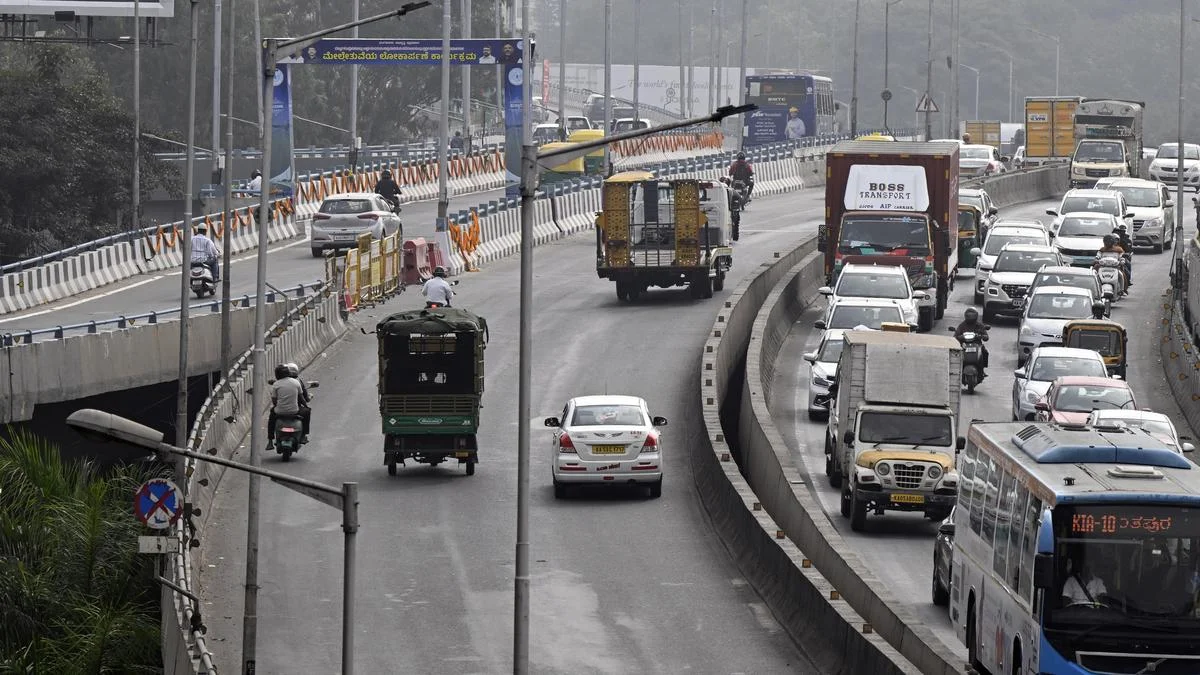
The Karnataka Budget 2026 has introduced several infrastructure initiatives aimed at improving mobility, connectivity, and civic infrastructure across Bengaluru. These projects include tunnel road corridors, metro expansion, road upgrades, stormwater infrastructure, and water supply improvements.
As one of India’s leading technology and business hubs, Bengaluru continues to experience rapid population growth and increasing demand for transportation infrastructure. The latest budget focuses on strengthening the city’s mobility networks and civic infrastructure to support long-term urban expansion.
Large-scale investments in transportation corridors, public transit systems, and water infrastructure are expected to play an important role in shaping the city’s future development.
Key Infrastructure Announcements in Karnataka Budget 2026
| Project | Investment | Key Objective |
|---|---|---|
| Tunnel Road Network | ₹40,000 crore | Reduce congestion across major corridors |
| Hebbal–Silk Board Tunnel | ₹17,780 crore | Phase 1 tunnel connectivity |
| Hebbal–Mekhri Circle Corridor | ₹2,250 crore | Improve traffic flow in North Bengaluru |
| Outer Ring Road Upgrade | ₹450 crore | Upgrade IT corridor mobility |
| Namma Metro Expansion | 41 km | Expand public transport capacity |
| Road White-Topping | ₹3,000 crore | Durable road infrastructure |
| Stormwater Drain Upgrades | ₹2,000 crore | Flood management |
| Cauvery Phase VI | ₹6,939 crore | Water supply expansion |
Annual Development Grant for Bengaluru
Allocation for Citywide Infrastructure Development
The Karnataka government has allocated ₹7,000 crore annually for Bengaluru’s infrastructure and civic projects. This funding will support multiple development initiatives across different zones of the city.
The grant is expected to fund:
-
Urban road improvements
-
Public transportation infrastructure
-
Civic amenities and municipal upgrades
-
Urban mobility enhancements
Such allocations are designed to accelerate infrastructure projects and support Bengaluru’s growing population.
Potential Influence on Urban Property Development
Improved civic infrastructure often supports the expansion of residential and commercial developments.
Possible real estate effects include:
-
Increased infrastructure support for emerging residential areas
-
Improved accessibility across suburban neighborhoods
-
Greater attractiveness for commercial investments in developing zones
Bengaluru Tunnel Road Network
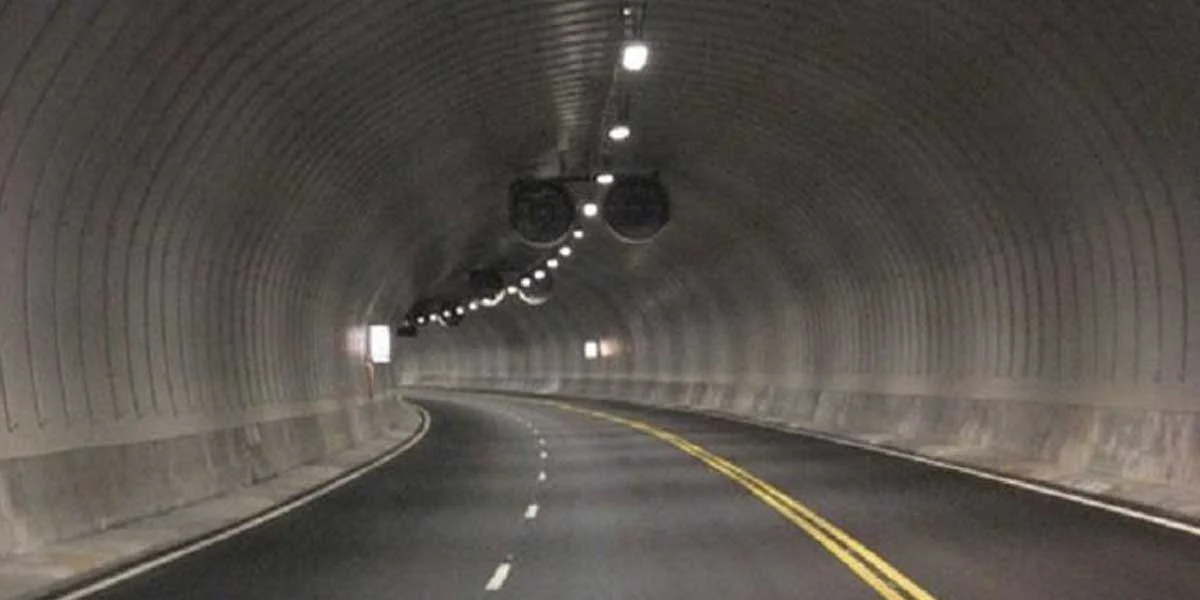
Underground Mobility Corridor Proposal
One of the most significant announcements in the Karnataka Budget 2026 is the proposed 40 km tunnel road network across Bengaluru.
Key project details include:
-
Estimated investment of ₹40,000 crore
-
Proposed route connecting KR Puram to Mysuru Road
-
Implementation through the Build-Own-Operate-Transfer (BOOT) model
The first phase includes a 17 km corridor between Hebbal and Silk Board, with tenders invited for approximately ₹17,780 crore.
Additionally, ₹2,250 crore has been allocated for the Hebbal–Mekhri Circle tunnel and elevated corridor.
Connectivity Improvements Along Major Corridors
Large-scale mobility infrastructure can influence commuting patterns across the city.
Potential real estate impacts include:
-
Better connectivity between North and South Bengaluru
-
Increased accessibility to major employment hubs
-
Possible growth in residential demand near major traffic corridors
-
Development opportunities along improved connectivity routes
Outer Ring Road Corridor Development
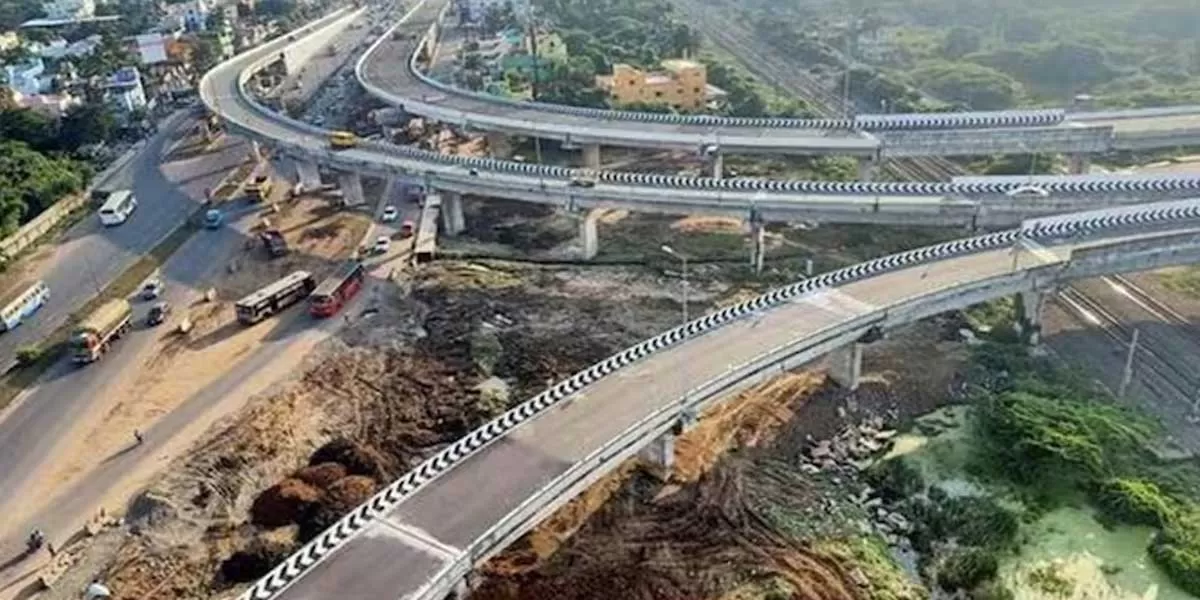
Upgrading Bengaluru’s IT Corridor
The Outer Ring Road (ORR) corridor between Silk Board and KR Puram will undergo infrastructure upgrades with an allocation of ₹450 crore.
This corridor connects several major technology parks and corporate campuses and serves as a key employment hub.
The development aims to improve:
-
Road capacity
-
Traffic flow
-
Integration with public transport
Implications for Property Markets Along the ORR
The ORR corridor has already emerged as one of Bengaluru’s most active real estate markets.
Infrastructure improvements may:
-
Strengthen residential demand near IT hubs
-
Improve accessibility for working professionals
-
Support development of mixed-use projects
-
Enhance property interest in areas like Bellandur, Marathahalli, and KR Puram
Expansion of the Namma Metro Network
Proposed Additions to the Metro System
The Karnataka Budget 2026 proposes an additional 41 km expansion of the Namma Metro network.
Metro systems provide high-capacity public transport and are designed to reduce road congestion while improving commuting efficiency.
The expanded metro network is expected to serve approximately 15 lakh passengers daily.
Transit-Oriented Development Opportunities
Metro connectivity often influences real estate development patterns in urban areas.
Possible impacts include:
-
Higher residential demand near metro stations
-
Growth of transit-oriented developments
-
Improved access to employment centers
-
Increased interest in suburbs connected by metro lines
Road Infrastructure and White-Topping Initiative
Concrete Road Upgrade Program
The government plans to white-top 450 km of city roads over the next three years, with an investment of ₹3,000 crore.
White-topping involves replacing asphalt roads with durable concrete surfaces, which offer longer lifespan and reduced maintenance requirements.
Additional road infrastructure investments include:
-
₹1,255 crore for ward-level roads
-
₹1,936 crore for arterial road improvements
Improved Accessibility Across Local Neighborhoods
Road infrastructure improvements play a significant role in urban mobility.
Potential real estate implications include:
-
Better connectivity between residential areas and business districts
-
Enhanced accessibility to transport corridors
-
Increased attractiveness of emerging residential neighborhoods
Pedestrian Infrastructure Improvements
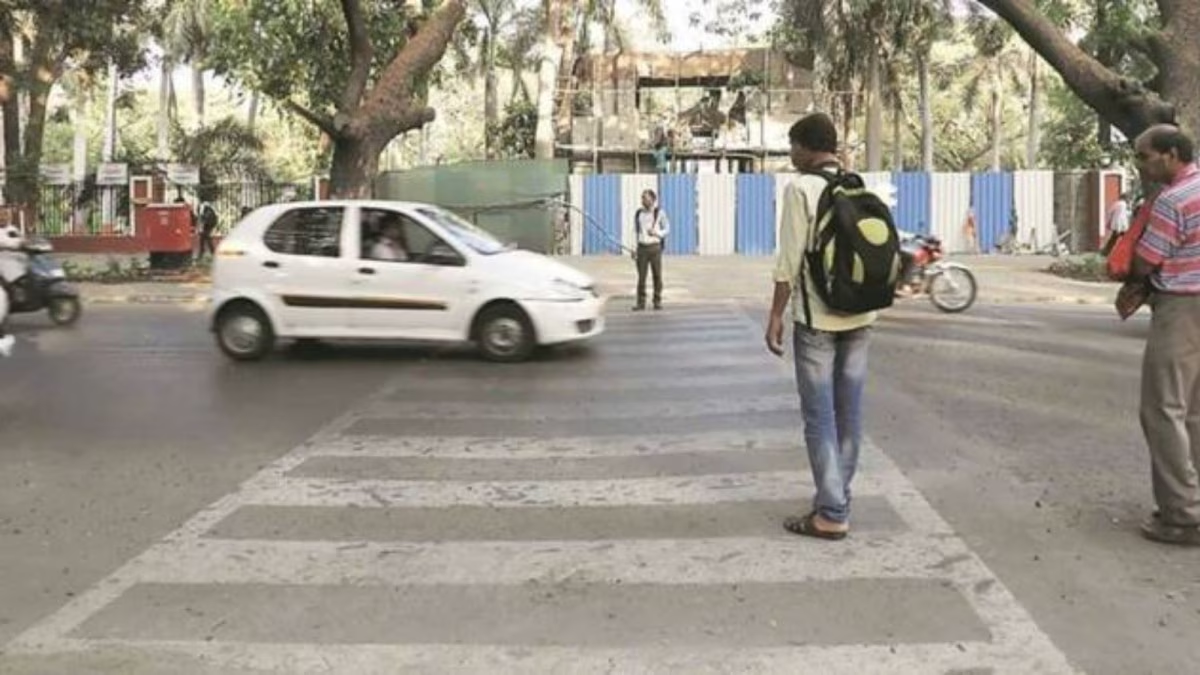
Projects to Enhance Walkability
The Karnataka Budget 2026 proposes several initiatives aimed at improving pedestrian infrastructure.
Key projects include:
-
9 km elevated pedestrian walkway along the ORR metro viaduct
-
Upgrading 500 km of footpaths
-
Construction of 100 skywalks
-
Beautification of 175 traffic junctions
These projects aim to improve safety and accessibility for pedestrians across the city.
Urban Lifestyle and Real Estate Appeal
Walkable neighborhoods are increasingly valued in urban real estate markets.
Improved pedestrian infrastructure can:
-
Enhance the attractiveness of commercial districts
-
Improve connectivity between residential zones and metro stations
-
Encourage development of mixed-use urban areas
Stormwater Drain and Flood Management Projects
Upgrading Bengaluru’s Drainage Infrastructure
Flooding during heavy rainfall has been a recurring challenge in parts of Bengaluru.
To address this, the budget allocates:
| Project | Allocation |
|---|---|
| Rajakaluve stormwater drain upgrades | ₹2,000 crore |
| Drainage modernization | ₹273 crore |
These projects aim to improve drainage capacity and reduce waterlogging in vulnerable areas.
Impact on Residential Stability and Development
Effective flood management infrastructure can improve urban resilience.
Potential real estate impacts include:
-
Reduced flood risks in residential neighborhoods
-
Increased confidence in long-term urban development
-
Improved livability in areas previously affected by waterlogging
Cauvery Phase VI Water Supply Project
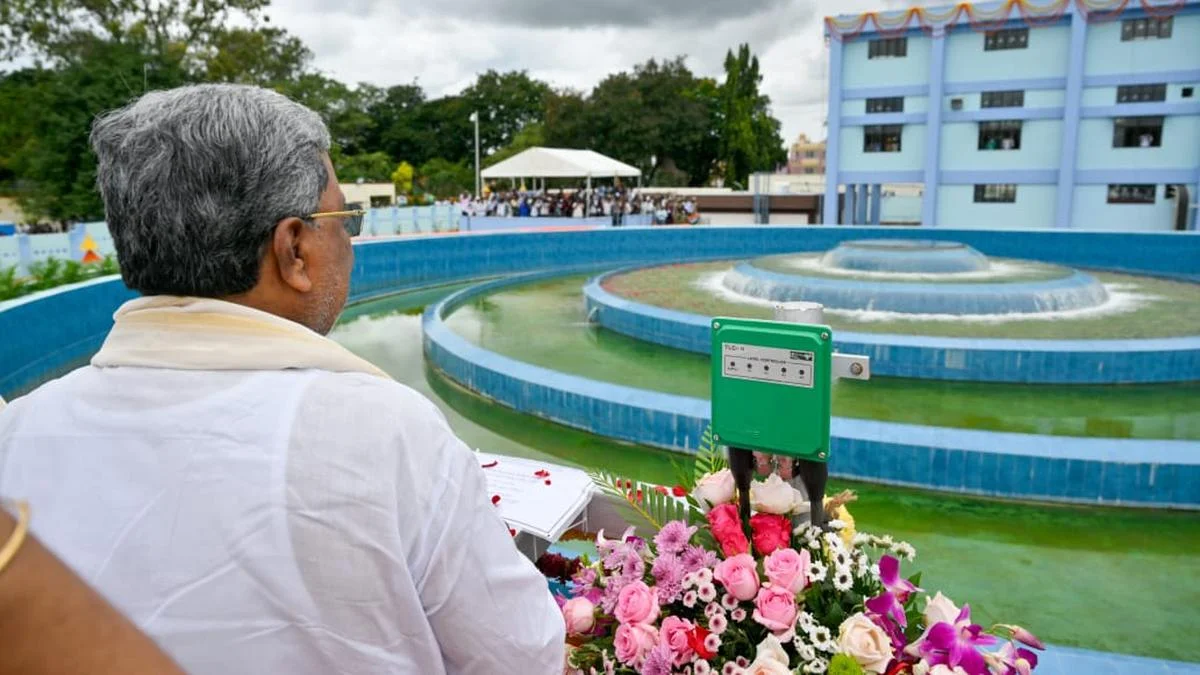
Expanding the City’s Water Infrastructure
The Cauvery Phase VI project, estimated at ₹6,939 crore, aims to strengthen Bengaluru’s water supply network.
Additional initiatives include ₹650 crore to fill 119 lakes in Nelamangala and Doddaballapura using treated water.
These projects aim to support the city’s growing population and ensure long-term water availability.
Supporting Urban Expansion and Housing Growth
Reliable water infrastructure is essential for sustainable urban development.
Improved water supply may:
-
Support new housing developments
-
Enable expansion of residential projects in suburban areas
-
Improve infrastructure readiness in growth corridors
Intermediate Ring Road Proposal
Strengthening Regional Connectivity
The Karnataka Budget 2026 proposes development of an Intermediate Ring Road connecting Nelamangala, Tavarekere, and Bidadi.
Ring roads typically help redistribute traffic away from central city zones and improve regional connectivity.
Growth Opportunities in Peripheral Areas
Ring road development often influences expansion of suburban real estate markets.
Potential impacts include:
-
Increased residential development along the corridor
-
Growth of integrated townships in peripheral zones
-
Improved connectivity between Bengaluru and surrounding towns
Revised Master Plan 2041
Long-Term Planning Framework for Bengaluru
The Karnataka government has announced that the Revised Master Plan 2041 will be prepared by 2027.
The master plan will guide:
-
Land use planning
-
Infrastructure development
-
Transportation networks
-
Urban sustainability strategies
Shaping Future Development Corridors
Urban master plans play a key role in defining growth patterns.
The updated plan may influence:
-
Identification of new development corridors
-
Planning of residential and commercial zones
-
Infrastructure investment priorities across Bengaluru
Conclusion
The Karnataka Budget 2026 outlines several infrastructure initiatives aimed at strengthening Bengaluru’s transportation networks, civic infrastructure, and water systems. Projects such as the tunnel road network, metro expansion, road upgrades, drainage improvements, and water supply initiatives are designed to address the challenges associated with rapid urban growth.
As Bengaluru continues to evolve as a major technology and business hub, infrastructure investments are expected to improve connectivity across key corridors and enhance overall urban mobility. Over time, improved transportation networks and civic infrastructure may influence development patterns in both residential and commercial real estate markets, particularly in areas that benefit from enhanced accessibility and urban amenities.
With long-term planning initiatives such as the Revised Master Plan 2041, Bengaluru’s future development is expected to focus on sustainable growth, improved infrastructure capacity, and better connectivity across the metropolitan region.
For a visual breakdown of the Karnataka Budget 2026 infrastructure plans for Bengaluru, watch the video below: