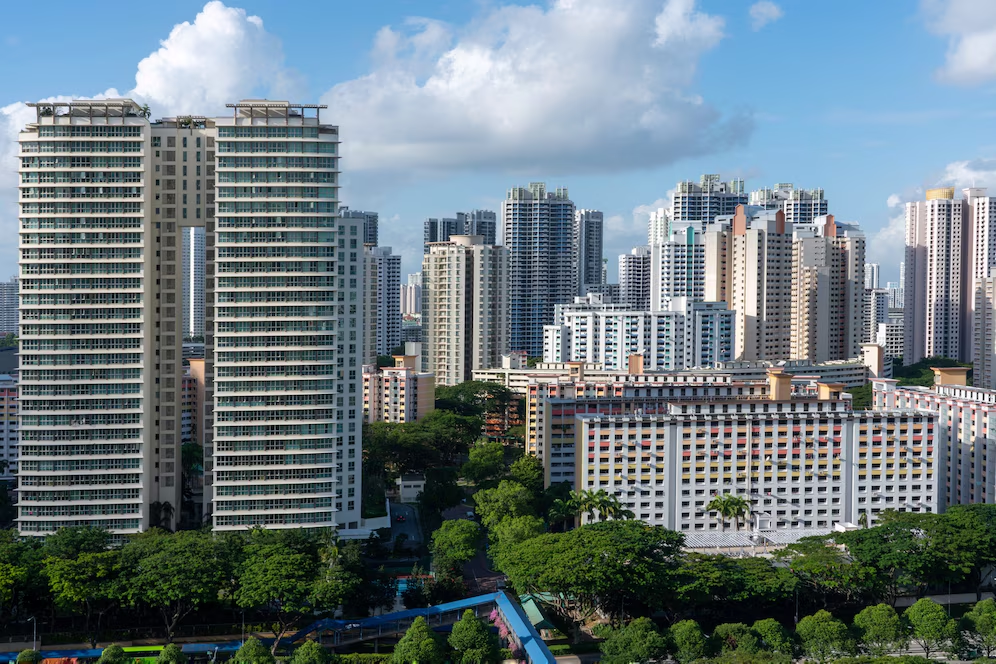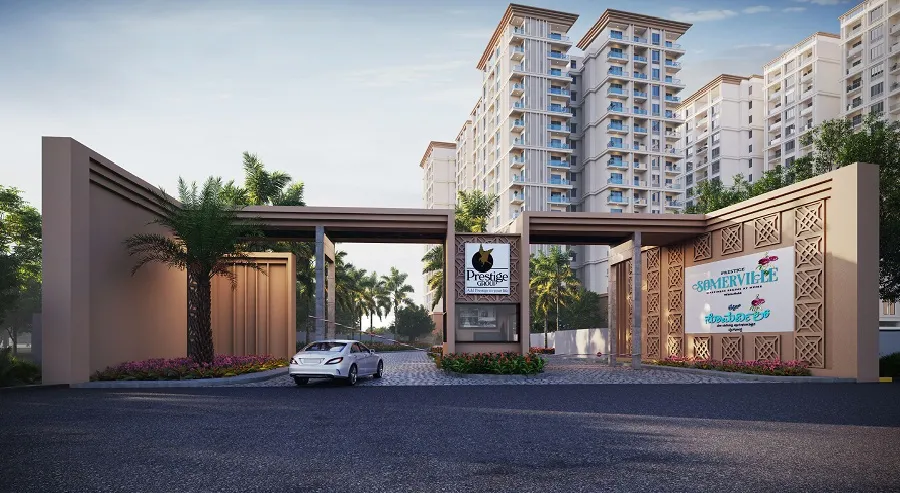


In the third quarter of 2025, more than half of all residences sold in India were priced at more than ₹1 crore, according to the most recent Knight Frank data. A clear indication that the Indian housing market is moving toward premium and luxury categories is the data showing that 52% of Q3 home sales fell into the ₹1 crore+ category, up from 46% during the same period previous year. New launches fell 2% to 88,655 units as developers remained cautious due to rising land and construction costs, while overall sales in the top eight cities were at 87,603 units, indicating a little 1% year-over-year rise.
The rise in premiums has changed the housing market. Homes under ₹1 crore used to make up 54% of all sales, but currently they only make up 48%. The price range of ₹1–2 crore has become the most active, accounting for 28% of overall volumes and growing by 17% annually. Transactions in the luxury category, which includes items valued between ₹10 crore and ₹20 crore, increased by a staggering 170% year over year. Mumbai continued to lead with 24,706 units sold, up 2% from the previous year and accounting for 28% of all sales nationwide. While Hyderabad, Bengaluru, and the National Capital Region had remarkable price increases of 13%, 15%, and 19%, respectively, Chennai saw the most spike at 12%. The only significant city to see a drop in sales was Pune, where sales fell by 8%.
Experts in the market credit a number of variables, such as simpler financing, increased earnings, and better buyer attitude, for this premium change. Inflation has dropped to around 2.07% as of August 2025, while the Reserve Bank of India’s 1% rate cut since late 2024 has improved liquidity. To entice wealthy purchasers, developers are putting more of an emphasis on high-end projects with superior facilities, sustainable features, and adjustable payment schedules. For many builders, however, inexpensive housing is no longer feasible due to escalating input and land costs.
But the trend toward pricey real estate has sparked worries about affordability and the declining proportion of mid-range residences. Unsold inventory, which was mostly concentrated in premium categories, increased 4% year over year to over 5.06 lakh units. Although the market is moving into a more stable phase, analysts predict that overall expansion will still be driven by premium homes. Now that the festive quarter is predicted to increase sales even more, the main concern is whether India’s housing boom can continue without neglecting the inexpensive market that drives mass demand.
Also read: Embassy Group Announces New East Business Park in Bengaluru