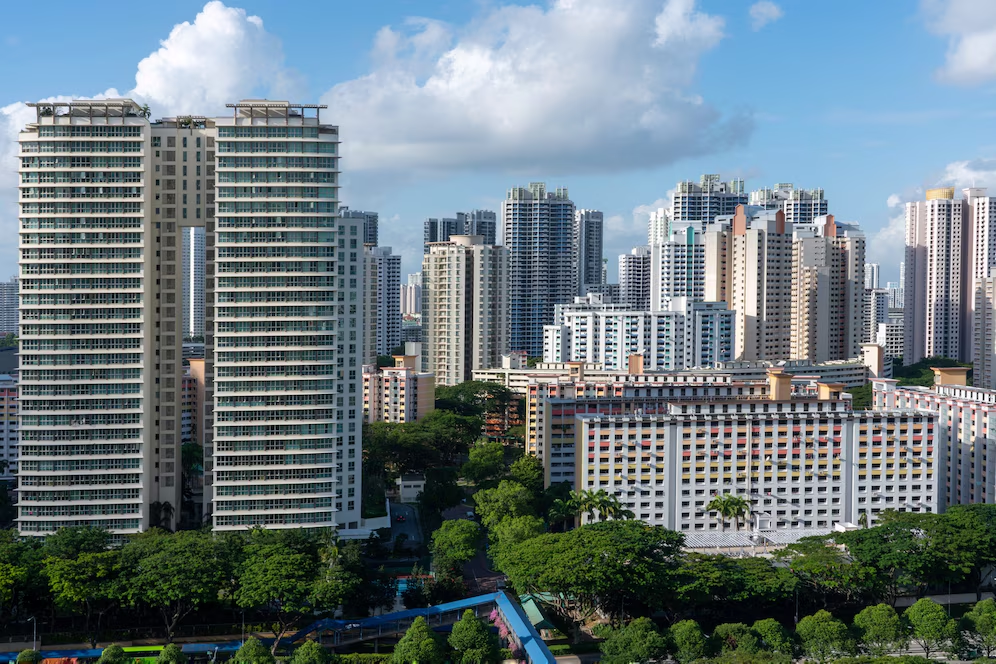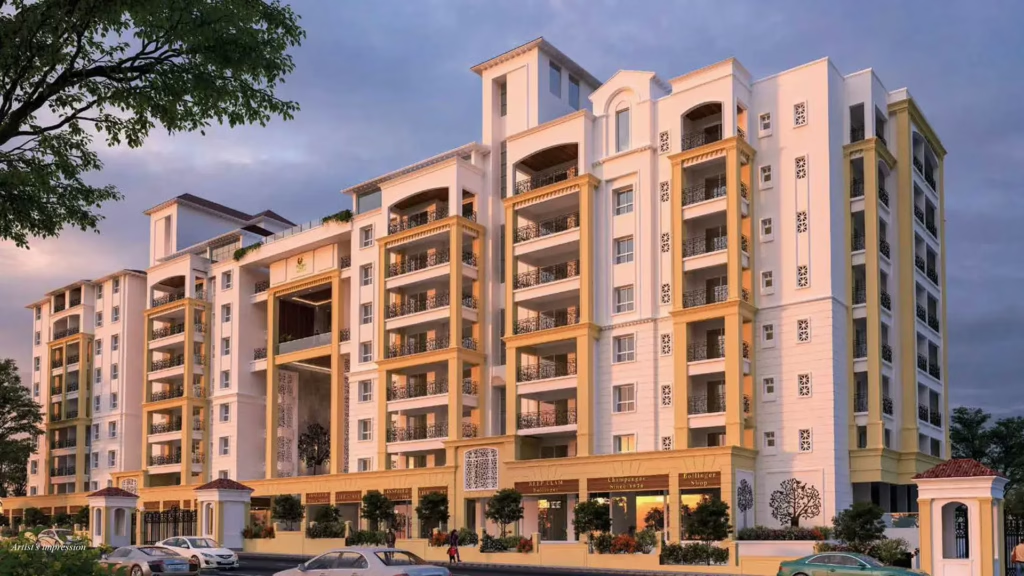


Between July and September 2025 (Q2 FY26), India’s real estate market showed tenacity and steady expansion, propelled by increased demand for upscale property and solid total sales in major cities. The nation’s real estate market remained stable in spite of international economic uncertainty thanks to strong buyer mood, ongoing urbanization, and ongoing investor confidence.
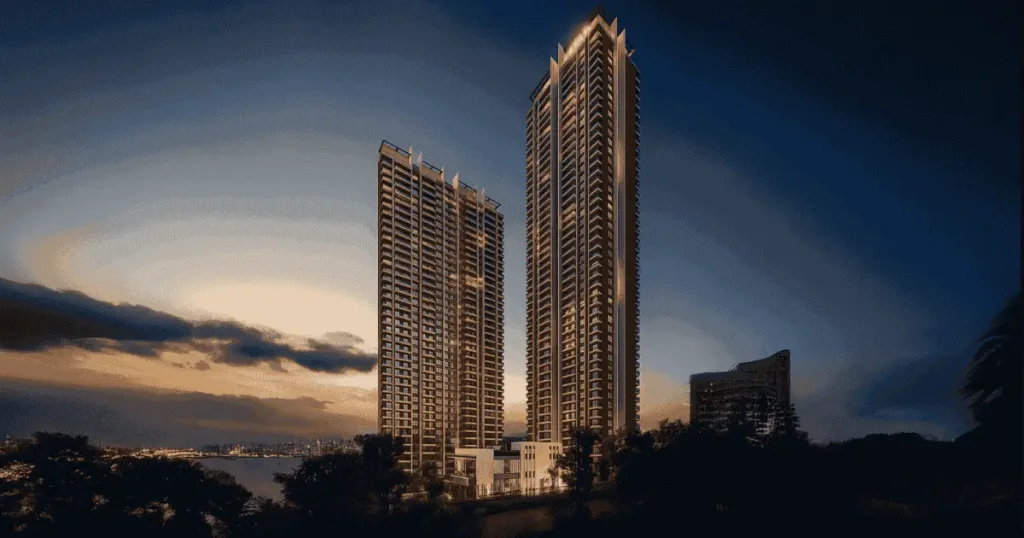
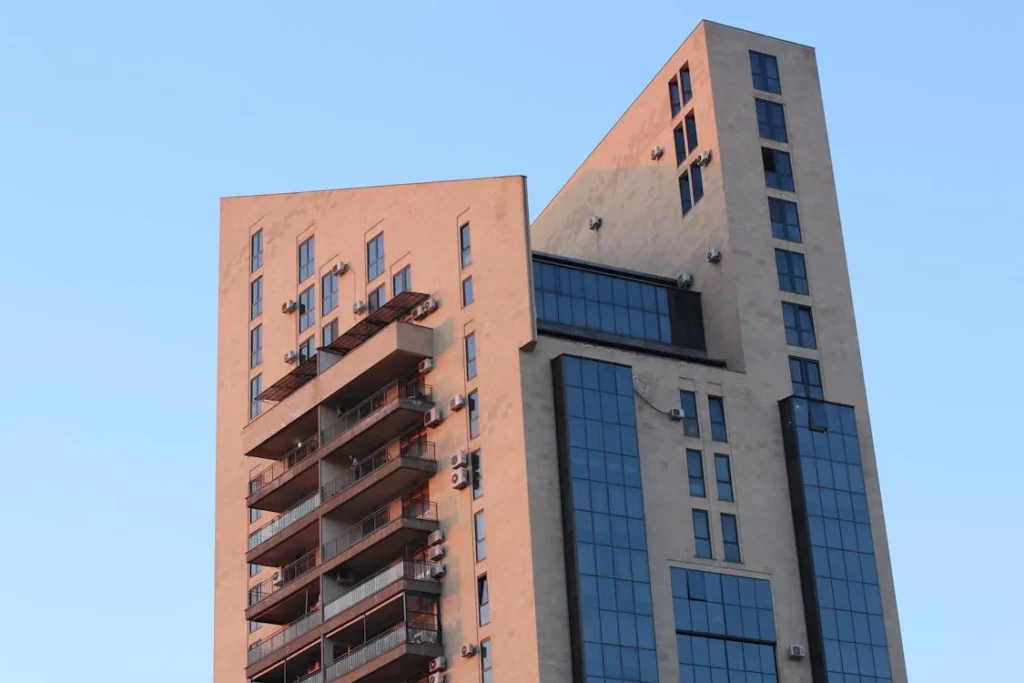
The luxury home segment, which is priced over ₹1.5 crore, emerged as the main growth driver this quarter, according to market analysts. Successful professionals and high-net-worth individuals (HNIs) kept purchasing luxury houses in major cities like Hyderabad, Bengaluru, Delhi-NCR, and Mumbai. In contrast to inexpensive or mid-income segments, developers claimed higher absorption rates for luxury developments with greater spaces, contemporary amenities, and prime locations. This change suggests that the wealthy class in India continues to have faith in real estate as a secure and growing asset class.
As a result of balanced supply and demand, total home sales volumes in the top cities stayed steady. Buyer momentum was maintained by elements like stable borrowing rates, a robust labor market, and continuous infrastructure upgrades, such as highway projects and metro extensions. While Hyderabad and Gurugram saw a boom in new project launches aimed at mid-range and upper-segment customers, Bengaluru and Pune continued to draw tech professionals.
Developers are also emphasizing prompt project delivery and transparency, according to industry experts, which will increase buyer trust even further. There were less speculative transactions in the market, highlighting the move toward actual end-user purchases. Furthermore, the increase in institutional funding and participation from branded developers has improved market trust overall.
Analysts predict that demand will continue to rise throughout the holiday quarter (October–December 2025), especially in the luxury and upper-mid segments. India’s real estate industry is poised for long-term expansion through FY26 thanks to favorable consumer mood, steady economic data, and ongoing government support for housing infrastructure.
Also read: Madras High Court Empowers Sub-Registrars to Reject Unapproved Land Registrations