
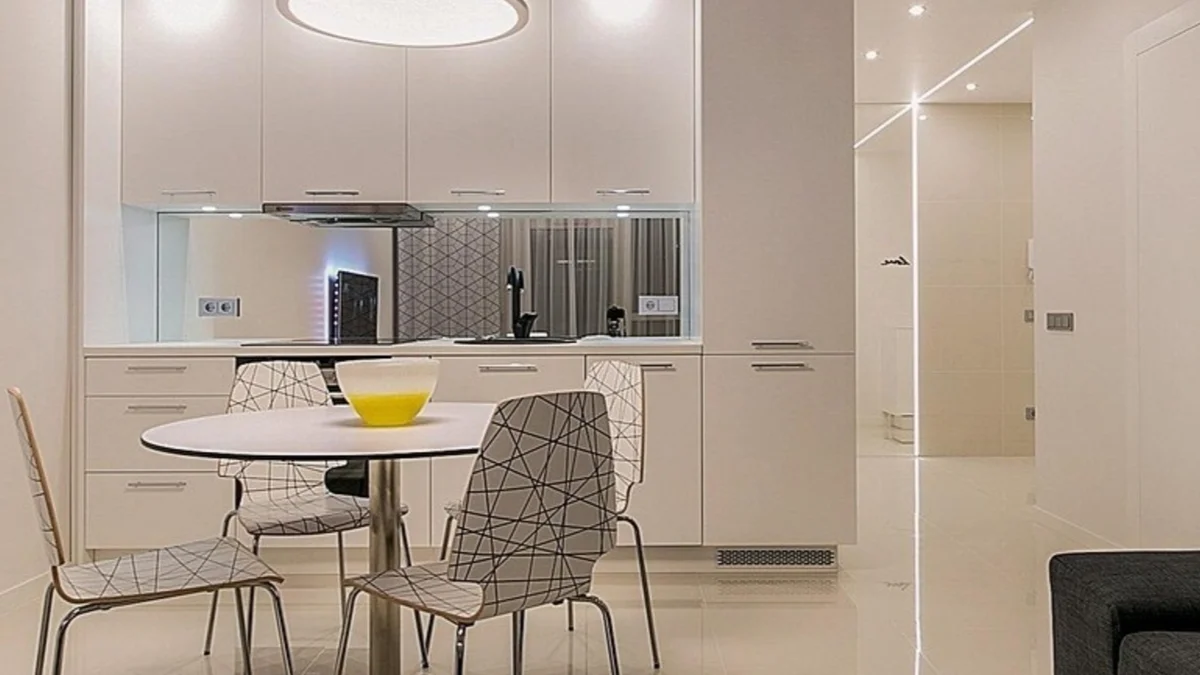
Bengaluru’s residential real estate market is witnessing a growing discussion around the shrinking size of 2 BHK apartments, often referred to by homebuyers as “pigeon-hole” homes. The trend has raised concerns among buyers and industry observers, with many questioning whether the city is moving toward a compact housing model similar to Mumbai’s long-established pattern of smaller living spaces.
Several homebuyers in Bengaluru, particularly in the eastern and northern corridors, have pointed out that newer apartment projects increasingly offer reduced carpet areas despite premium pricing. Buyers note that while projects continue to promote large clubhouses, landscaped gardens, and shared amenities, the internal layout of homes appears more constrained, especially living rooms and bedrooms. This has triggered debate over changing design priorities within the city’s housing developments.
Unlike Mumbai, where limited land availability has historically shaped smaller apartment sizes, Bengaluru has traditionally been associated with comparatively spacious homes. However, rising land prices, higher construction costs, and strong demand for mid-segment housing have led developers to optimise layouts to keep ticket prices competitive. As a result, apartment sizes across categories have gradually declined.
Market data indicates that the average apartment size in Bengaluru dropped by nearly 8 percent year-on-year in 2025. The reduction has been more noticeable in 2 BHK configurations, where carpet areas have reportedly fallen by close to 9 percent, while 3 BHK units have seen a decline of around 5 percent. This trend reflects a broader shift toward space efficiency rather than expansive layouts.
Real estate consultants observe that areas such as Whitefield, Sarjapur Road, Hebbal, Thanisandra, and parts of North Bengaluru have seen a higher concentration of compact homes in recent launches. While larger homes continue to be available, they are typically positioned in higher price brackets and remain inaccessible to a majority of mid-income buyers.
Industry experts suggest that the current pattern represents a market response to affordability pressures rather than a complete transformation of Bengaluru’s housing identity. However, the ongoing debate highlights evolving buyer expectations and the need for greater transparency around carpet areas and design efficiency in residential projects.
Also Read: GCCs Account for 45% of India’s Office Absorption in 2025