
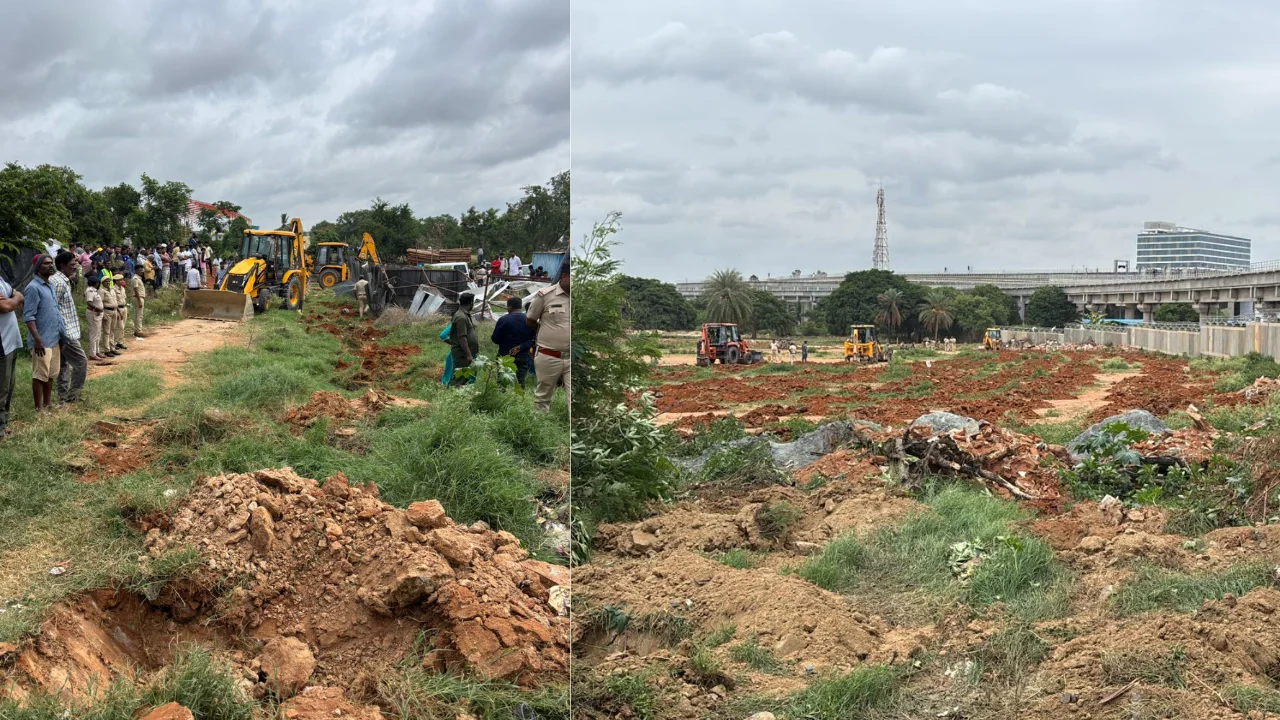
The proposed project by Embassy Group in the Kadugodi area of eastern Bengaluru has brought renewed focus on land classification and forest protection in Karnataka. The site under discussion falls within the Kadugodi region, an area that has historically been recorded as forest land and has remained under scrutiny amid rapid urban development in Bengaluru’s outskirts.
Officials from the Karnataka Forest Department have reiterated that portions of the land in question are classified as forest land in official records. The department has taken steps to safeguard such areas, highlighting the need to preserve forest tracts amid increasing pressure from real estate expansion. Internal communications within the department have underlined the importance of ensuring that land use aligns with existing forest and environmental regulations.
Kadugodi was once part of a larger forest stretch that extended across hundreds of acres. Over the years, urban growth, infrastructure projects, and land fragmentation have significantly reduced green cover in the region. As Bengaluru continues to expand toward the east, areas like Kadugodi have emerged as high-value zones for development, increasing the need for clarity around land ownership and classification.
Recent legal proceedings related to forest land in the area have further complicated matters. Court observations on historical land notifications have triggered broader discussions around the status of several forest parcels across Karnataka. These developments have placed increased responsibility on state authorities to verify records and ensure that forest land is not diverted without due process.
The Forest Department has also intensified efforts to reclaim encroached land in and around Bengaluru. As part of wider enforcement initiatives, several acres of land identified as forest property have been recovered in recent years. These actions form part of a broader strategy to protect ecological assets in urban and peri-urban areas.
Embassy Group, a prominent real estate developer with multiple commercial and residential projects across India, has not issued detailed public statements outlining construction plans for the Kadugodi land. However, activity reported in the vicinity has drawn attention from environmental groups and residents seeking transparency on approvals and compliance.
As the matter continues to evolve, government agencies, developers, and stakeholders are expected to rely on official land records, regulatory frameworks, and legal processes to determine the future course of action. The outcome is likely to have implications not only for Kadugodi but also for how forest land is managed amid Bengaluru’s continued growth.
Also Read: Godrej Properties Q3 Bookings Jump 55% to ₹8,431 Crore