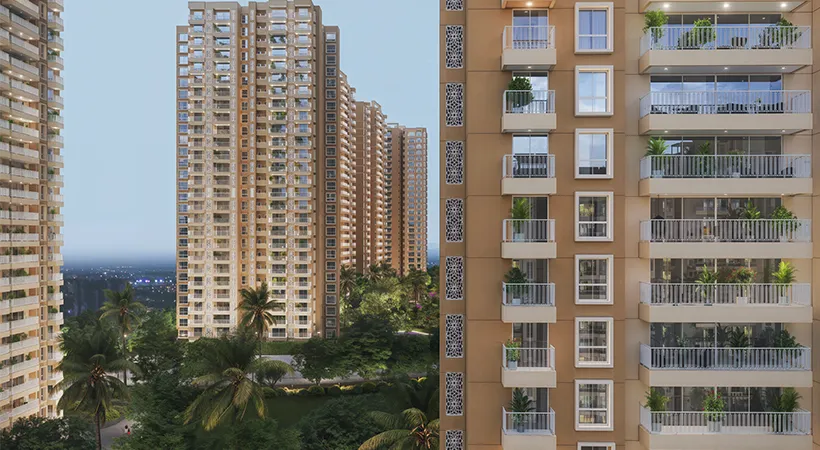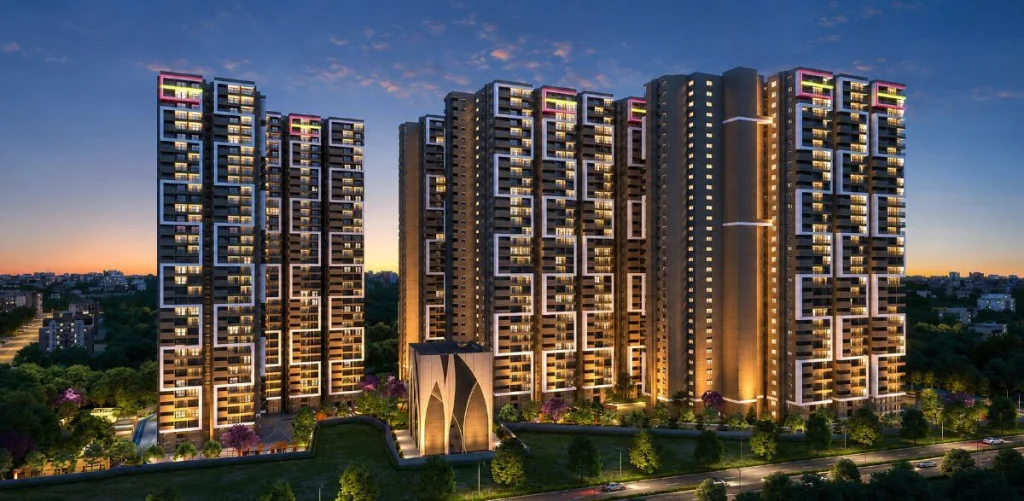


Chennai’s real estate market recorded a divergent trend in Q1 2026, with residential and office segments showing growth while retail real estate experienced a slowdown. The shift reflects changing demand patterns across asset classes in the city’s property market as per Knight Frank report.
Residential demand remained relatively stable despite broader market moderation across India. Office leasing activity also saw an uptick, supported by steady demand from IT companies and Global Capability Centres (GCCs), which continue to expand in key micro-markets such as OMR and Guindy.
Residential and Office Segments Show Stability
The housing sector in Chennai demonstrated resilience even as other cities experienced fluctuations in sales.
Key Highlights
- Residential demand remained stable with continued end-user interest
- Office leasing driven by IT and GCC expansion
- Strong absorption in established corridors like OMR and CBD areas
- Preference for Grade A office spaces and premium housing
This trend aligns with broader national patterns where demand remains steady in select high-growth urban centres despite short-term volatility.
Retail Segment Faces Slowdown
In contrast, Chennai’s retail real estate segment witnessed a decline in activity during the quarter.
Key Observations
- Lower leasing activity in retail spaces
- Moderation in mall footfalls and expansion plans
- Cautious approach by retailers amid economic uncertainty
- Shift in consumer spending patterns affecting physical retail
The slowdown highlights structural changes in the retail sector, including the growing influence of e-commerce and changing consumer preferences.
Market Performance Snapshot
| Segment | Q1 2026 Trend | Key Drivers |
|---|---|---|
| Residential | Stable | End-user demand, pricing resilience |
| Office | Growth | GCC expansion, IT sector demand |
| Retail | Decline | Lower footfall, cautious expansion |
Real Estate Impact: Sectoral Shift Becomes Visible
The divergence in Chennai’s real estate market indicates a broader shift in demand dynamics.
Market Implications
- Increasing importance of office and tech-driven demand
- Sustained growth in residential end-user market
- Retail sector undergoing structural transformation
- Greater focus on mixed-use developments
Developers may recalibrate strategies by prioritising residential and office projects while adopting cautious expansion in retail.
Infrastructure and Growth Corridors Support Demand
Chennai’s growth corridors continue to play a key role in shaping demand patterns. Areas along OMR, GST Road, and peripheral zones near upcoming infrastructure projects are witnessing consistent interest from both developers and occupiers.
Conclusion
Chennai’s real estate market in Q1 2026 reflects a clear divergence across segments. While residential and office sectors continue to demonstrate stability and growth, the retail segment faces short-term challenges. The evolving dynamics highlight a shift toward demand-driven development aligned with economic and consumption trends.
Also Read: Housing Sales in India Dip 4% in Q1 2026 Across 8 Cities Amid High Prices and Global Uncertainty