
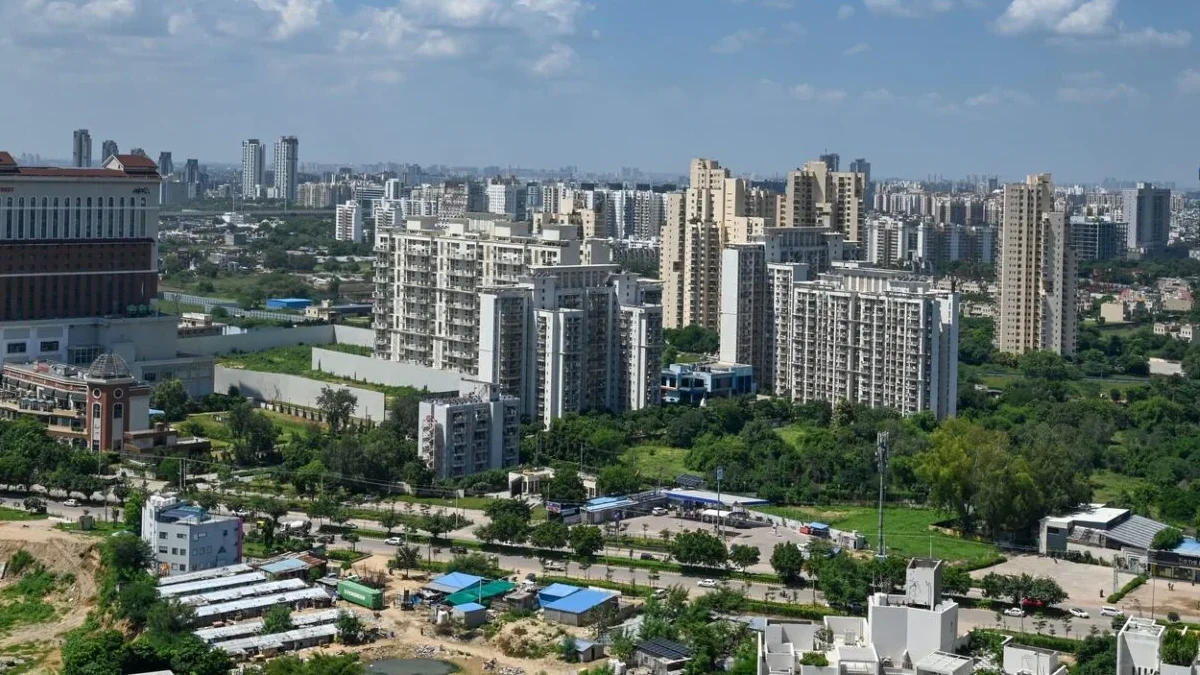
Rental demand in Gurugram climbed during the final quarter of 2025. However, while interest is high, rising affordability concerns have prevented a sharp spike in prices. This cautious sentiment among tenants mirrors broader trends, such as the five-year low in Mumbai studio apartment launches, indicating a national shift in how smaller housing units are being supplied and consumed.
Steady Rise in Rental Enquiries
In Q4 2025, rental enquiries grew by 3.6% quarter-on-quarter and 13.1% year-on-year. Despite this surge in interest, listings increased by 7.5% annually, keeping the market balanced.
Corporate growth continues to be a major driver for this demand. This is similar to the tech-driven real estate surge in other cities involving major players like Qualcomm and Zetwerk.
The Affordability Gap
There is a clear disconnect between what tenants want and what the market offers:
-
Tenant Preference: Nearly 75% of demand is for 1-BHK and 2-BHK units.
-
Price Point: 44% of tenants look for homes priced between ₹10,000 and ₹20,000.
-
Market Supply: A massive portion of available listings are priced between ₹50,000 and ₹1 lakh, catering to a much smaller segment of the population.
Regional Price Variations
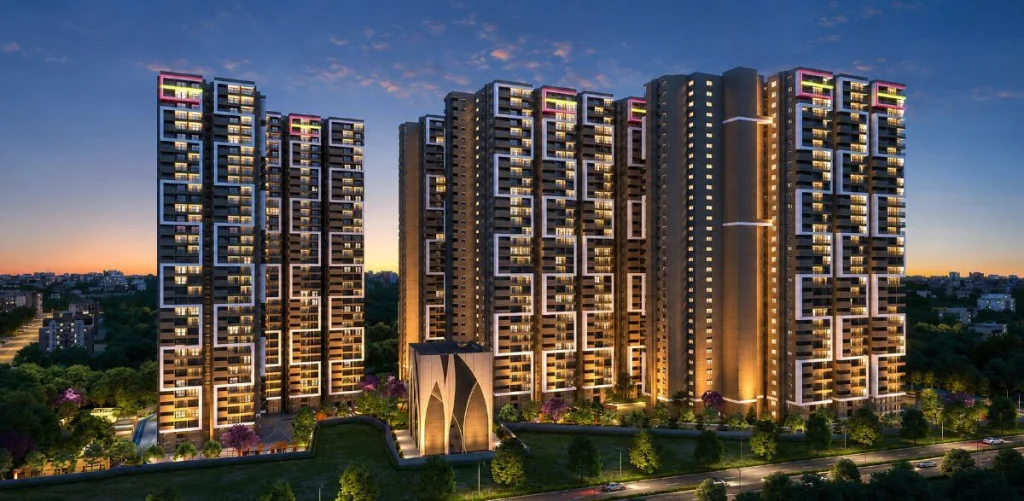
Rental rates fluctuated based on location and infrastructure. Premium areas like DLF Phase 2 remain expensive, while Sector 36 Sohna offers more accessibility. For those looking for value beyond Gurugram, markets like Hyderabad are reaching new milestones, such as ASBL Spectra nearing its possession stage in the Financial District.
Market Outlook
While job growth supports the rental sector, pricing is becoming more aligned with tenant budgets. Investors are keeping a close eye on these shifts, much like the tech industry’s expansion in the south, exemplified by Texas Instruments opening its new R&D centre in Bengaluru.
Also Read: Thales Group Launches Advanced R&T Lab at Bengaluru Engineering Centre