
Bengaluru is poised for a major transformation in rail infrastructure with the proposal for India’s first fully elevated railway terminal at Yelahanka, North Bengaluru. The South Western Railway (SWR) has put forward an ambitious plan estimated at ₹6,000 crore, which — if approved — could become the country’s first terminal built entirely above ground on multiple levels to optimise space in the rapidly growing city.
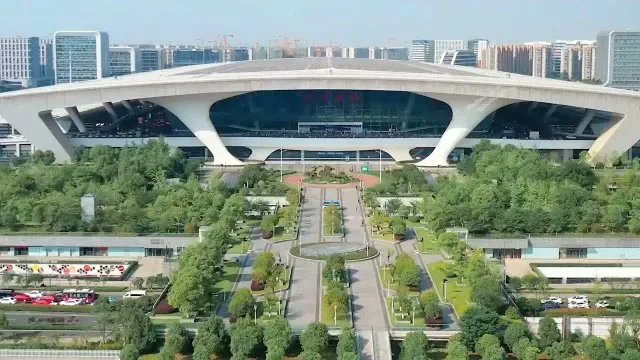
The proposal outlines a multi-level, airport-style terminal on approximately 20 acres of land near the existing Yelahanka railway area and the Railway Wheel Factory (RWF) site. Railway officials have taken inspiration from China’s Hangzhou station design, incorporating a vertical architecture with five levels — including a basement — to address Bengaluru’s limited land availability while increasing capacity and connectivity.
Under the plan, the new elevated terminal would feature 16 platforms, significantly expanding operational capacity compared with the current five-platform Yelahanka station. The design also includes 15 pit lines and 10 stabling lines, which will help manage and maintain trains efficiently. By moving tracks to basement and ground levels and stacking passenger amenities above, the terminal is expected to function in a manner similar to modern airport terminals, separating arriving and departing passenger flows and reducing congestion.
Railway authorities are also planning connectivity enhancements. The proposed terminal could link directly to the nearby Kogilu Cross Metro Station on the Blue Line, providing seamless integration with Bengaluru’s public transport network. Access from the Yelahanka-Doddaballapur Highway is expected to support passenger movement much like an airport hub.
The elevated rail terminal initiative aims to ease pressure on Bengaluru’s existing major railway hubs — KSR Bengaluru City, Yesvantpur, and Sir M Visvesvaraya Terminal (SMVT) — which together handle heavy passenger and train traffic daily. With projections of continued urban growth and rising transport demand, the skyscraper-like design could set new standards in railway infrastructure for land-constrained Indian cities.
While the proposal is gaining attention, it remains in the initial stages and is awaiting approval from the Railway Board. If sanctioned, the terminal’s construction could take several years but stands to become a landmark project in urban rail transport planning.
Also Read: Namma Metro Set for Rapid Expansion Between 2026–2035, Network May Reach 466 km