
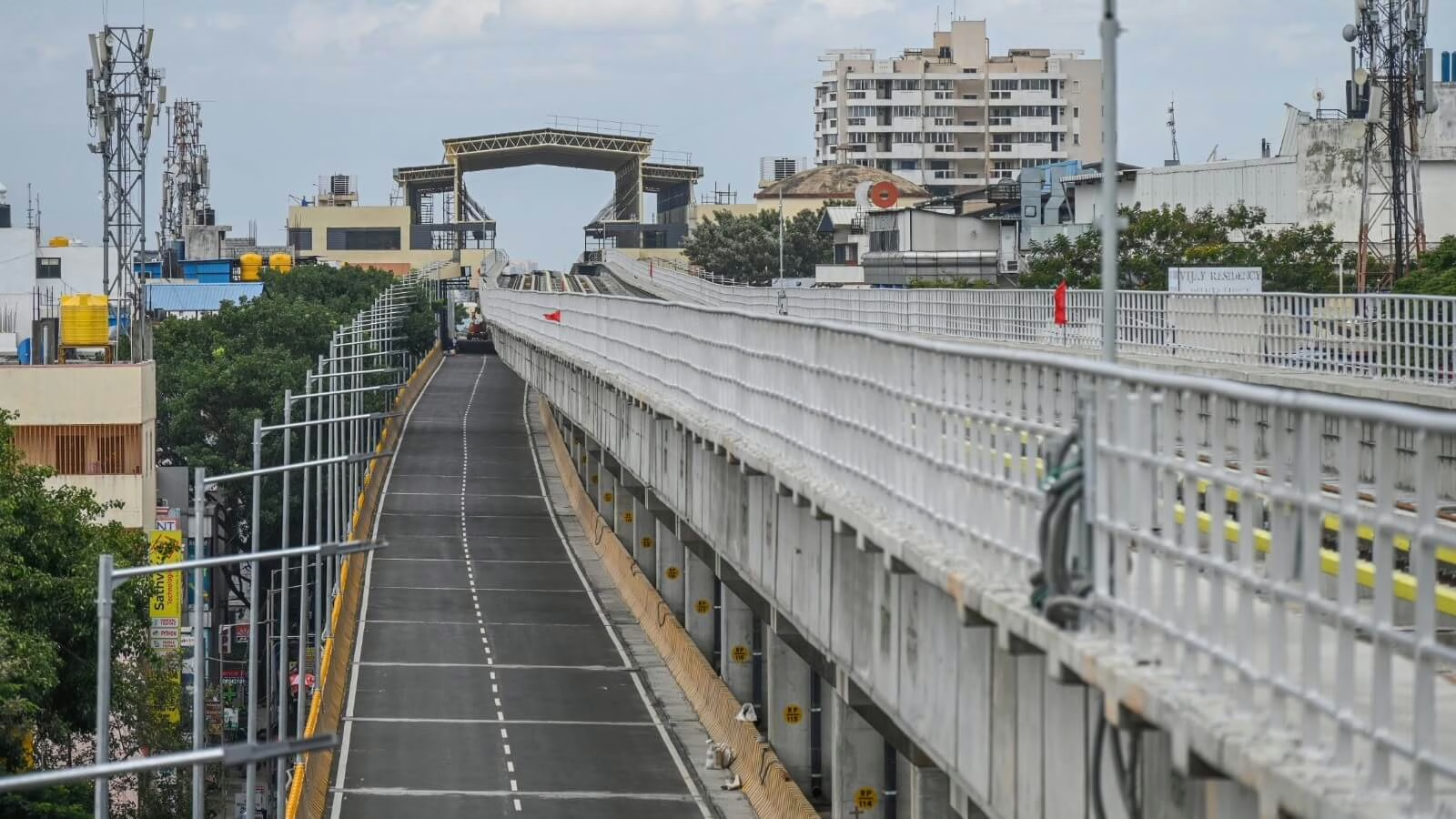
The Karnataka government is advancing a major infrastructure plan for Bengaluru, launching elevated road projects that include 40 km of tunnel roads, 38 km of double-decker corridors, and a total of 124 km of flyovers and underpasses. These projects, part of a ₹1 lakh crore initiative, will be tolled under a Build-Own-Operate-Transfer (BOOT) model. The tolling framework will not be applicable to existing or under-construction projects.
Infrastructure Overview
The elevated corridor plan covers multiple modes of traffic movement—covering arterial roads with flyovers, tunnels, and stacked roads that blend vehicular and metro travel in vertical arrangements. Known as a double-decker model, such infrastructure aims to improve signal-free transit across congested zones.
Tolling via BOOT Model
Every segment within the expanded network is expected to be tolled under a BOOT framework, where private operators build, operate, and recover investments over a concession period before transfer to the government. This structure allows for private participation in delivering public infrastructure while generating future revenue streams from toll collection.
Scope and Scale of the Projects
-
Tunnel Roads: Approx. 40 km of new tunnel roads are included, to enhance connectivity across urban barriers.
-
Double-Decker Corridors: A total of 38 km will accommodate both road traffic and metro infrastructure within stacked corridors, reducing surface space usage.
-
Flyovers & Underpasses: Additional elevated corridors and underpasses will form a sizable part of the 124 km network.
Project Funding
As per the plan, the state will contribute ₹3,800 crore, and the Greater Bengaluru Authority (GBA) is expected to chip in ₹970 crore. The balance will be raised by B-SMILE through loans and private investments.
One such project – the 16.5-km Hebbal-Silk Board tunnel road – has already been proposed with a toll of ₹19 per km. It is in an advanced stage of planning, with expectations that when complete, commuters may end up paying around ₹600 per month for daily use.
Timeline & Potential Impacts
Detailed timelines for construction, tendering, and phased commissioning were not disclosed. However, the advanced scale and toll framework indicate long-term infrastructure roll-out. These elevated and double-decker corridors are expected to reshape Bengaluru’s urban traffic flows. Implementation under BOOT suggests a structured financing and maintenance mechanism over multiple decades.
Next Steps
Several stretches, including Yeshwanthpur-KR Puram, Nagawara-Bagalur, and Ragigudda-Kanakapura Main Road, are still in the conceptual stage, with consultants preparing detailed project reports. The double-decker corridor proposal has already received state cabinet approval, but toll rates for elevated corridors and double-decker roads are yet to be finalized.
Also Read: Karnataka Cabinet Clears Bengaluru’s Longest Double-Decker Flyover under Metro Phase 3