
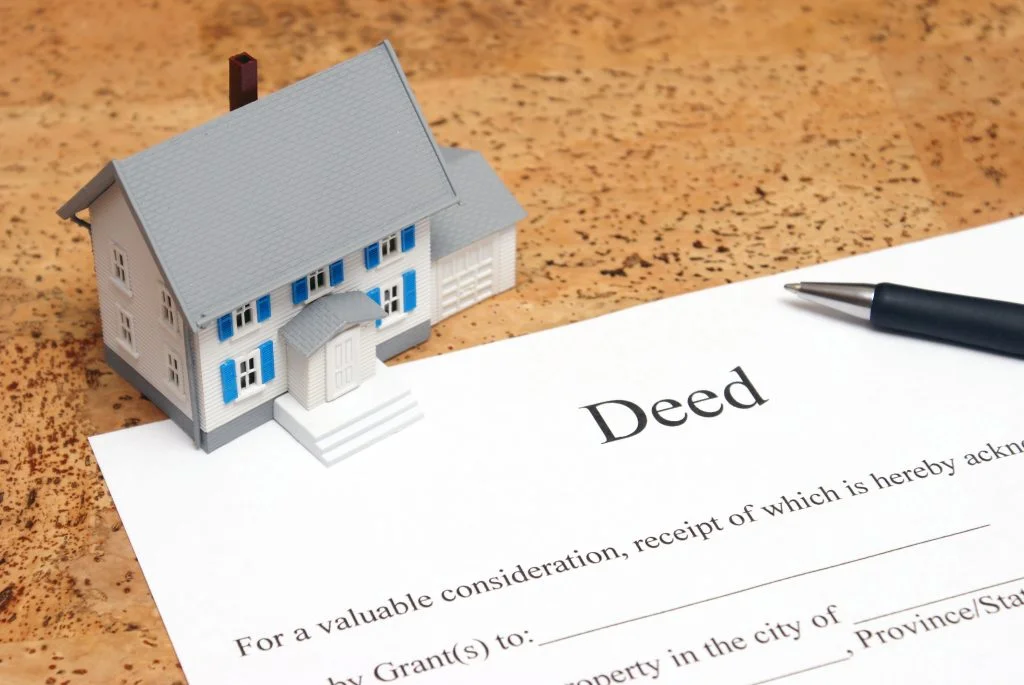
In the journey of purchasing real estate, the most critical milestone is the legal transfer of ownership. While various documents like the “Sale Agreement” or “Allotment Letter” play a role, the Sale Deed is the final and most authoritative legal instrument that makes you the rightful owner of a property.
Under the Registration Act, 1908, a sale deed is mandatory for the sale of any immovable property. As noted in our Ultimate 100-Point India Apartment Buying Checklist, verifying this document is the final step in securing your investment.
What is a Sale Deed?
A Sale Deed (also known as a Conveyance Deed) is a legally binding document that transfers the absolute ownership of a property from the seller (vendor) to the buyer (vendee). It serves as the primary proof of ownership and is executed after both parties have fulfilled the terms mentioned in the preliminary Agreement for Sale.
Sale Deed vs. Agreement for Sale
It is common for buyers to confuse these two documents:
-
Agreement for Sale: An intermediate contract showing intent. It does not transfer ownership.
-
Sale Deed: The final document. Ownership only passes to the buyer once it is registered at the Sub-Registrar’s office.
Key Components of a Sale Deed
A well-drafted sale deed should leave no room for ambiguity. Every buyer should verify these clauses:
-
Parties Involved: Full names, addresses, and PAN details.
-
Property Description (The Schedule): Exact location, survey number, and boundaries. For apartments, this must explicitly state the Undivided Share (UDS) of land, which determines your long-term asset value.
-
Sale Consideration: The final price. For a clear view of how this fits into your budget, see our Complete Breakdown of the True Cost of Buying an Apartment.
-
Passing of Title: Confirms the property is free from all encumbrances.
-
Indemnity Clause: Protects you against future legal disputes arising from the seller’s past actions.
Step-by-Step Guide to the Sale Deed Process
Step 1: Verification of Title (Due Diligence)
Before drafting, obtain an Encumbrance Certificate (EC) for the last 30 years to ensure the property is free of loans.
Step 2: Drafting and Stamp Duty
The deed must be prepared on non-judicial stamp paper. Stamp duty rates vary by state, typically between 4% and 8%. In some regions like Tamil Nadu, recent relief measures allow a set-off on stamp duty for payments made during the construction agreement phase.
Step 3: Registration at the Sub-Registrar’s Office
Both parties must visit the local Sub-Registrar’s office with two witnesses.
Important Update (2025): If you are buying in Bangalore, be aware that the Karnataka government has doubled the property registration fee from 1% to 2% as of August 31, 2025.
Documents Required for Registration
To ensure a hassle-free visit, keep the following ready:
-
Original Sale Deed (Drafted on stamp paper)
-
Previous Title Deeds (Mother Deed/Chain of ownership)
-
Sale Agreement (Original)
-
Encumbrance Certificate (EC)
-
Property Tax Receipts (Up to date)
-
Identity Proof (Aadhaar/PAN) of both parties and witnesses
-
NOC (If the property is under mortgage or in a regulated zone)
The sale deed is the ultimate shield for your property investment. Following the step-by-step guide to booking a new property ensures that you don’t miss these critical legal transitions. Once registered, remember to apply for a Khata Transfer to update the revenue records in your name.
Also Read: What Is IFMS (Interest-Free Maintenance Security)? A Complete Guide for Homebuyers


