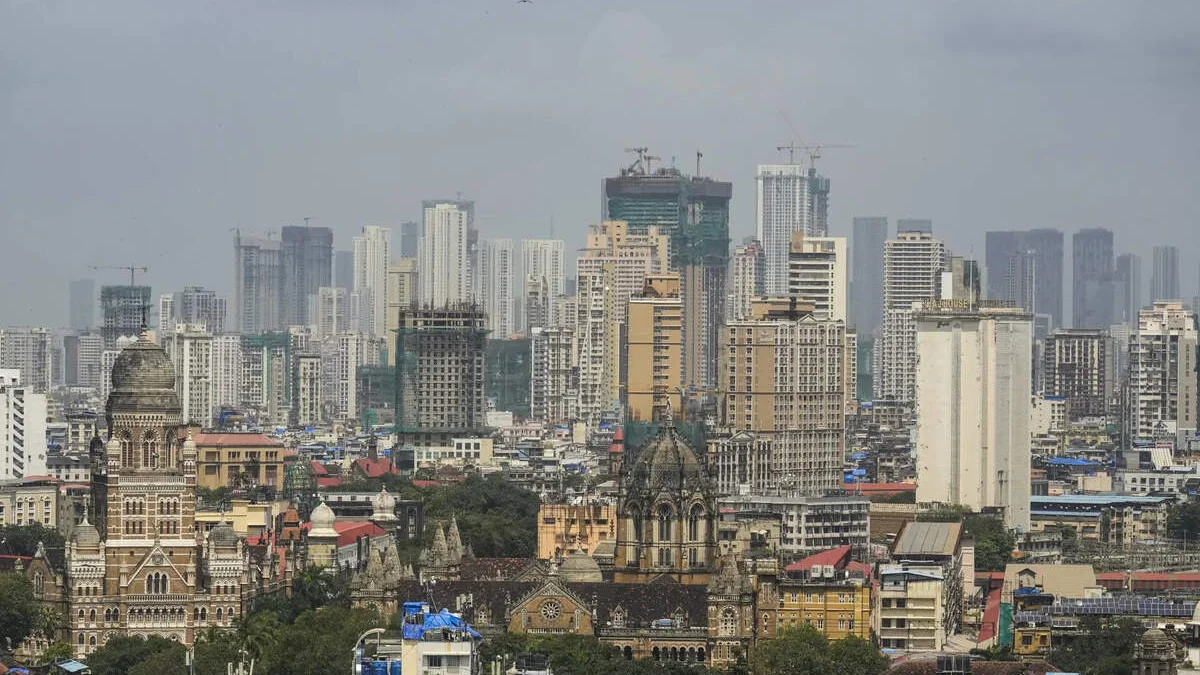
Real estate activity across the Mumbai Metropolitan Region (MMR) is expected to remain strong through 2026, driven by infrastructure expansion, improved connectivity, and sustained housing demand. Market assessments indicate that homebuyers and investors are increasingly focusing on specific micro-markets that offer a balance of accessibility, livability, and long-term growth potential.
Navi Mumbai continues to attract steady interest, particularly in locations such as Panvel, Ulwe, and Kharghar. The development of the Navi Mumbai International Airport, along with upgrades to road and rail networks, has positioned the region as a key residential destination. These areas are witnessing demand across both affordable and mid-segment housing, supported by planned urban infrastructure and commercial development.
Thane has further strengthened its position as a major residential hub within the MMR. Improved metro connectivity, expansion of arterial roads, and the presence of social infrastructure have contributed to sustained housing demand. The region offers a mix of housing options and remains comparatively affordable when measured against core Mumbai markets, making it a preferred choice for end-users.
The western suburbs, including Borivali, Kandivali, and Goregaon, continue to see consistent buyer interest. Ongoing metro line expansion and road infrastructure improvements have enhanced connectivity across these locations. The presence of established residential neighborhoods, commercial zones, and social amenities has supported stable demand from both homebuyers and investors.
Central Mumbai locations such as Vikhroli and Wadala are emerging as redevelopment-driven residential markets. Increased redevelopment activity, coupled with metro and transport infrastructure upgrades, is contributing to renewed interest in these areas. Proximity to business districts and improved urban planning are influencing residential demand in these micro-markets.
The Mira Road–Bhayandar belt is also gaining attention due to infrastructure upgrades and better connectivity with the wider MMR. These locations are viewed as value-driven residential markets with long-term growth prospects, particularly among first-time buyers.
Overall, real estate demand across the Mumbai Metropolitan Region in 2026 is expected to be guided by infrastructure-led development, enhanced connectivity, and evolving urban planning, reinforcing the region’s position as one of India’s most active property markets.
Also read: Brigade Group Launches Low-Density Residential Project in Hyderabad

Yash Paul is a real estate journalist and researcher based in Bangalore. He tracks emerging property hotspots and major developer announcements. Yash is dedicated to providing transparent, factual reporting on the region's rapidly evolving housing and commercial landscape.
Related news