
Shift in Focus: GCC Expansion Moves Beyond Metro Cities
India’s Global Capability Centre (GCC) ecosystem is witnessing a gradual shift beyond traditional metro hubs, with Tier-2 cities such as Mangaluru, Bhopal, and Aurangabad emerging as new destinations for technology and service-based operations. Recent trends indicate that these cities are increasingly being considered for GCC investments, driven by talent availability, infrastructure improvements, and cost advantages.
According to industry insights, Tier-2 cities now contribute nearly 30–32% of new job postings, highlighting their growing role in India’s evolving employment and technology landscape.
Why Tier-2 Cities Are Attracting GCC Investments
The expansion into smaller cities reflects a broader strategy by companies to diversify operations and tap into new talent pools. Cities like Mangaluru, with its coastal infrastructure and industrial base, Aurangabad with its growing urban ecosystem, and Bhopal as a state capital, are gaining attention for their strategic advantages.
In addition, the rise of nano-GCCs—smaller, high-impact centres focusing on specialised functions such as AI, fintech, and R&D—is contributing to this trend. These centres typically employ compact teams while delivering high-value outputs, making Tier-2 locations more viable.
Interesting Read: Move Over Silicon Valley? Is Bengaluru Now the “GCC Valley of the World”?
Key Market Indicators
| Parameter | Details |
|---|---|
| Emerging Cities | Mangaluru, Bhopal, Aurangabad |
| GCC Trend | Expansion into Tier-2 cities |
| Job Share | 30–32% of new postings |
| GCC Type | Nano-GCCs (20–100 professionals) |
| Focus Areas | AI, R&D, Fintech, Automation |
Real Estate Impact: New Growth Corridors
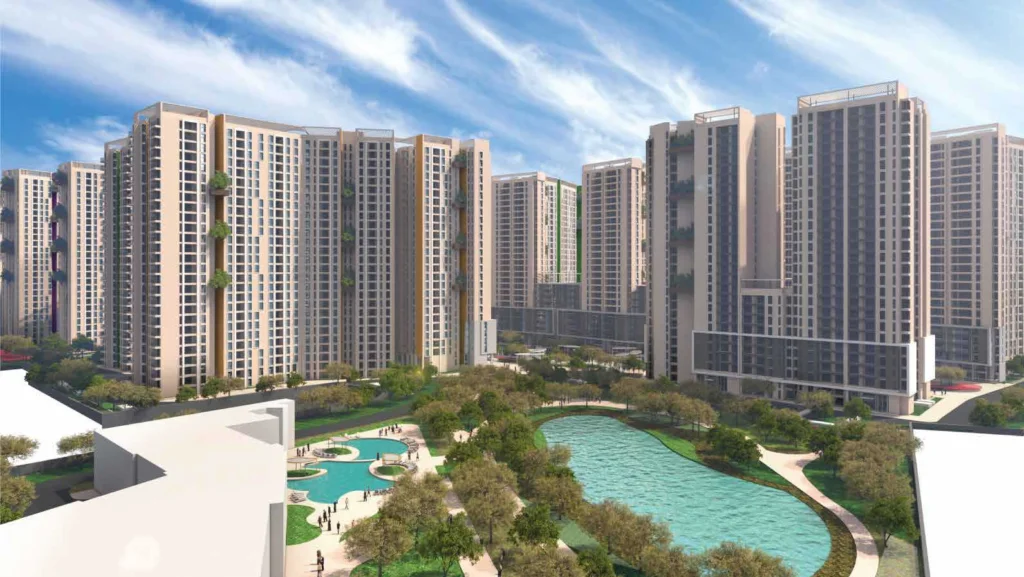
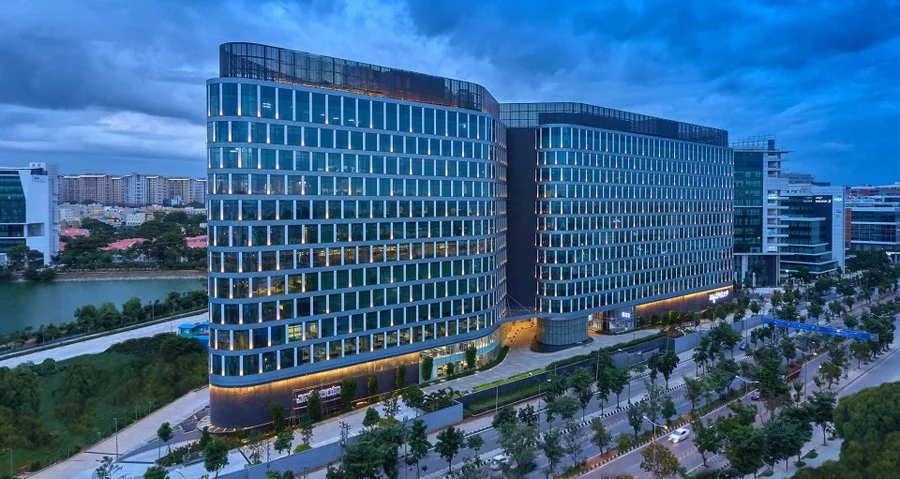
The rise of GCCs in Tier-2 cities is expected to influence commercial and residential real estate markets in these regions. As companies establish operations, demand for Grade A office spaces, co-working hubs, and residential housing is likely to increase.
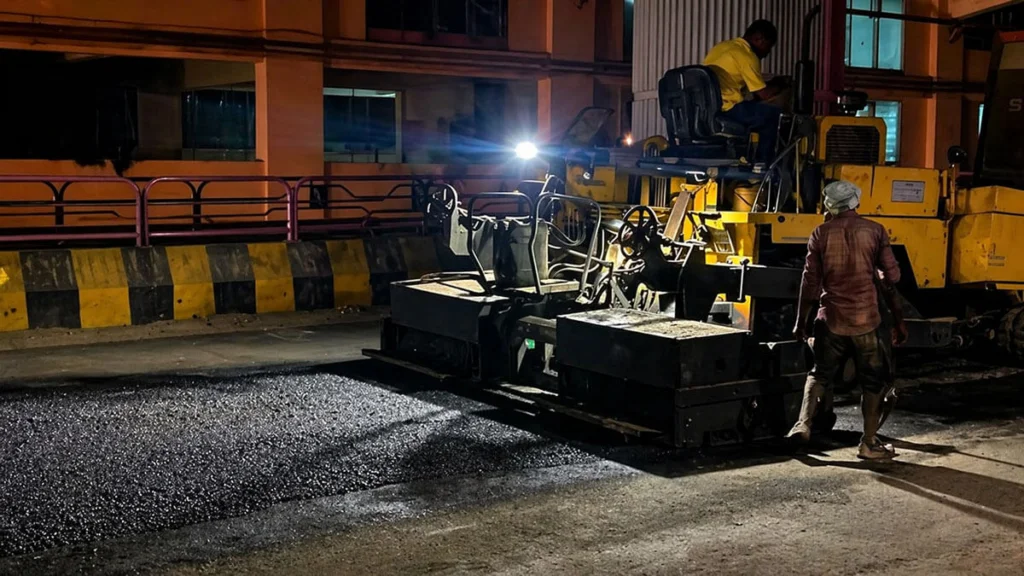
This trend may also support infrastructure development, including improved connectivity, social amenities, and urban planning initiatives. Over time, these cities could evolve into secondary business hubs, complementing established metros.
Broader Expansion Across India
Apart from Mangaluru, Bhopal, and Aurangabad, several other cities such as Mysuru, Hubballi-Dharwad, Belagavi, Kalaburagi, and Tumakuru are also emerging as potential destinations for future GCC investments. State governments are increasingly introducing policies and infrastructure projects to attract such developments.
Outlook: Decentralisation of India’s Tech Ecosystem
The growing interest in Tier-2 cities indicates a gradual decentralisation of India’s technology and business ecosystem. As companies continue to explore cost efficiencies and talent availability, these cities are expected to play a larger role in the country’s economic and real estate growth.
Also Read: Vertical Housing in India: The Future of Urban Living in Cities Like Bengaluru