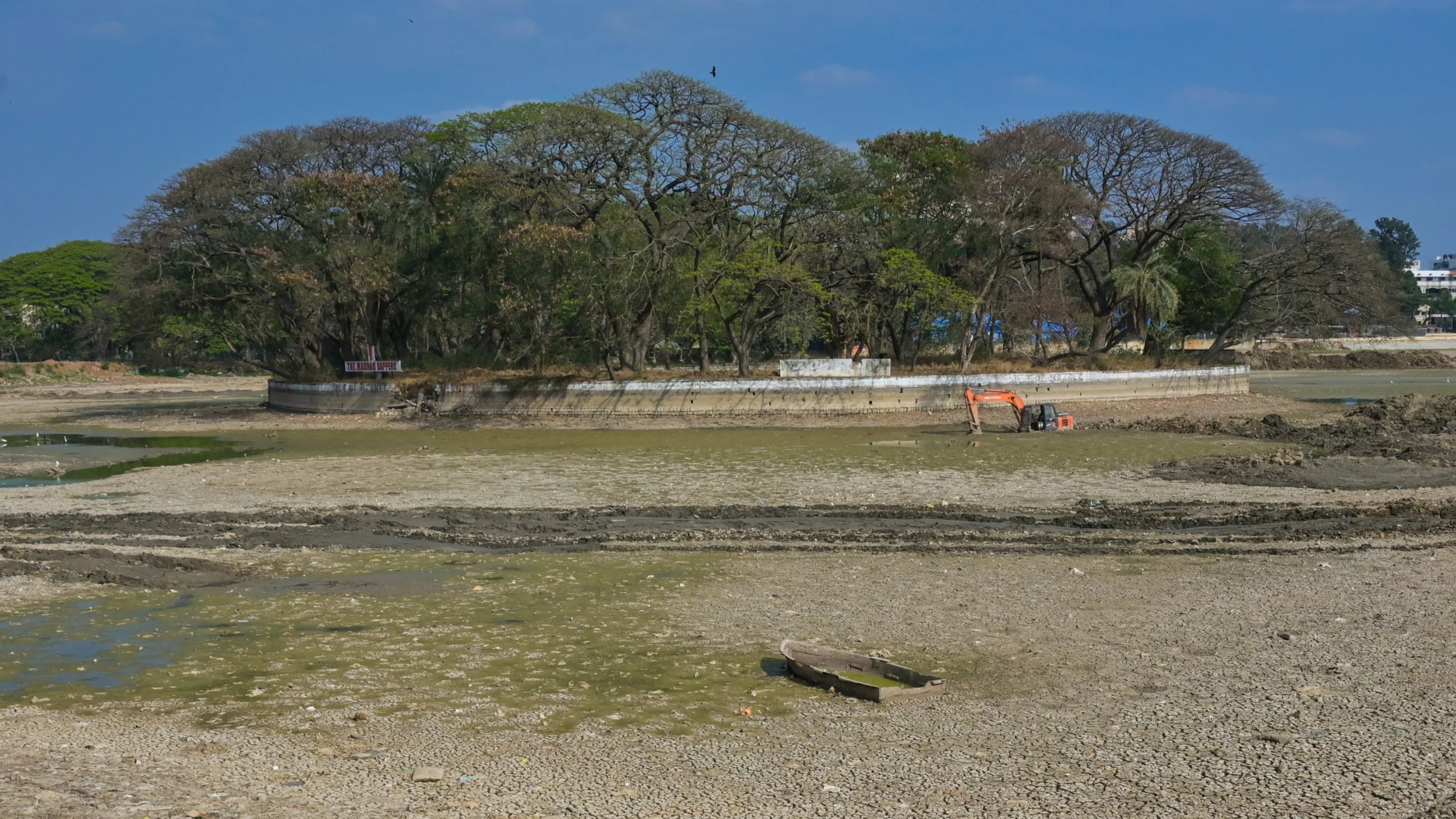
BENGALURU, India — The Greater Bengaluru Authority (GBA) has outlined a comprehensive initiative to revive several of the city’s drained lakes, aiming to address environmental degradation and improve urban water resilience. The plan focuses on desilting, reconstruction of lake infrastructure, and removal of encroachments to rejuvenate these critical water bodies.
Revival Strategy: Key Components
According to official statements from GBA leadership, the lake restoration plan includes:
-
Desilting and Clearing: Dried lakes will undergo extensive desilting to remove accumulated debris and sediment, creating space for water retention.
-
Bund Strengthening: Rebuilding and reinforcing the earthen embankments (bunds) around lakes for better water storage capacity and flood prevention.
-
Encroachment Removal: Authorities plan to identify and eliminate illegal encroachments that have reduced the natural area of the lakes and contributed to ecological stress.
Officials say that the revival work is already underway across several parts of Bengaluru, with efforts ramping up as the dry season provides easier access for restoration activities.
Ecological & Water Security Impacts
Lakes historically served as rainwater catchments and groundwater recharge zones for the city. Rapid urbanisation over the past decades contributed to many lakes becoming degraded, drained or encroached upon. Recent environmental data shows that a substantial portion of Bengaluru’s lakes continue to struggle with low water levels and poor water quality.
Reviving lake ecosystems is expected to support better groundwater replenishment, reduce urban flooding during monsoon periods, and restore habitats for local flora and fauna. By strengthening lake infrastructure, the GBA scenario may also promote improved local climate resilience.
Real Estate and Urban Landscape Implications
Lake revival can influence Bengaluru’s urban development in multiple ways:
-
Enhanced Livability: Restored lakes often become focal points for public spaces and green areas, potentially increasing neighbourhood appeal.
-
Property Values: Proximity to healthy water bodies with ecological amenities may lead to improved real estate demand and pricing in adjacent localities.
-
Regulatory Balance: Clearing encroachments and protecting lake buffer zones may limit unplanned construction but supports sustainable urban growth strategies.
Future Outlook
The GBA’s initiative reflects a growing emphasis on water body conservation as part of the broader urban management agenda. While the city faces ongoing environmental pressures, coordinated restoration efforts aim to balance ecological preservation with sustainable development goals.
Also Read: Bengaluru Metro Yellow Line Wait Time Cut — Service Boost from 27 Feb